You’ve invested in a beautiful fragrance, but by lunchtime, it’s vanished. The problem isn’t your perfume—it’s likely how you’re applying it. The difference between a scent that fades within an hour and one that lingers all day comes down to technique, placement, and a few strategic choices most people overlook.
Understanding How Fragrance Works on Skin
Perfume doesn’t simply sit on your skin like clothing. It interacts with your body chemistry, responds to heat, and evaporates at rates influenced by everything from your skin type to the humidity in the air.
Heat activates fragrance molecules. When you apply perfume to warm areas of your body, the heat causes the scent to diffuse more effectively into the air around you. This is why pulse points—areas where blood vessels sit close to the skin’s surface—have long been recommended for perfume application.
Your skin’s natural oils play a crucial role. People with oilier skin often find fragrances last longer because the oils help bind and slowly release scent molecules throughout the day. Those with drier skin may notice perfumes fading faster, as there’s less natural moisture to hold onto the fragrance.
The Pulse Points: Where to Apply for Best Results
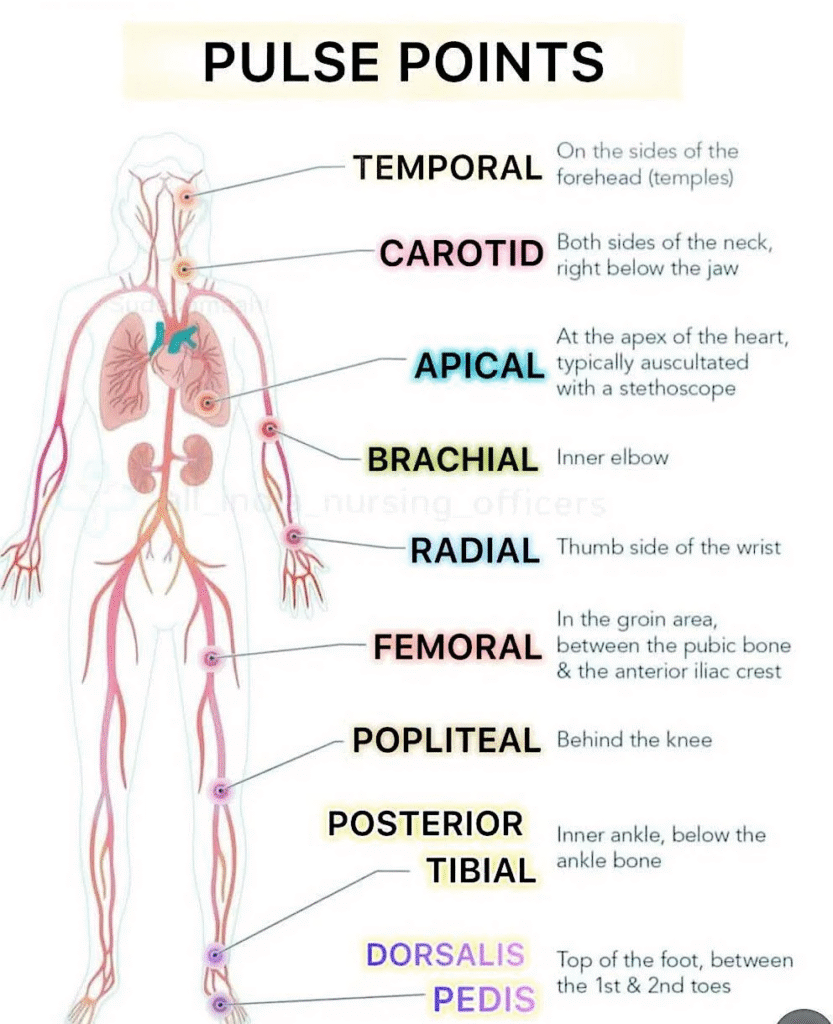
Pulse points generate warmth that helps project your fragrance without requiring heavy application. Focus on these key areas:
Wrists remain a classic choice, but technique matters. Apply perfume to the inner wrist where the skin is thin and veins are visible. The critical mistake most people make is rubbing their wrists together afterward—this friction generates heat that breaks down the fragrance molecules prematurely, distorting the scent profile and shortening its lifespan.
Behind the ears and along the neck creates a subtle scent trail whenever you move your head or someone leans in close. The warmth from this area helps the fragrance bloom naturally throughout the day.
The inner elbows offer excellent longevity because the skin here stays relatively protected from washing and environmental exposure. When you bend your arms, the warmth releases fresh waves of scent.
Behind the knees might seem unusual, but this placement allows fragrance to rise throughout the day as heat naturally moves upward. It’s particularly effective when wearing dresses or shorts.
The chest and décolletage provide warmth while keeping the scent close enough for you to enjoy it yourself. Applying a light spray here creates an intimate fragrance experience that becomes more noticeable when you’re close to others.
Preparation: The Foundation for Lasting Scent
What you do before applying perfume matters as much as the application itself.
Moisturize your skin first. Hydrated skin holds fragrance significantly longer than dry skin. Apply an unscented lotion or body oil immediately after showering, then let it absorb for a few minutes before adding perfume. The moisturizer creates a base layer that helps trap fragrance molecules against your skin.
For even better results, use a matching body lotion or oil from the same fragrance line. This layering technique builds depth and extends wear time by establishing multiple scent layers that release at different rates throughout the day.
Apply to clean, slightly damp skin when possible. Fresh-from-the-shower skin absorbs perfume more effectively. The moisture helps open pores slightly, allowing fragrance molecules to bind more deeply. However, avoid applying directly to wet skin, which dilutes the perfume.
Application Technique: Less Is Often More
The goal isn’t to drench yourself in fragrance but to apply strategically for steady, lasting projection.
Distance matters. Hold the bottle 5 to 7 inches from your skin when spraying. This distance allows the fragrance to disperse into a fine mist that settles evenly rather than pooling in one concentrated spot. Too close, and you waste product while creating an overwhelming initial blast that fades quickly. Too far, and much of the spray dissipates into the air before reaching your skin.
Start with two to four sprays total. You can always add more, but over-application leads to olfactory fatigue—your nose becomes desensitized, so you stop smelling your own perfume even when others find it overpowering. A moderate application maintains better sillage (the scent trail you leave) throughout the day.
Never spray and walk through a cloud. This popular method wastes most of your perfume while providing minimal longevity. The majority of the fragrance ends up on your clothing or falls to the floor rather than landing on your warm pulse points where it can properly develop.
The Hair and Clothing Question
Fragrance behaves differently on fabric and hair than on skin, which creates both opportunities and considerations.
Hair holds scent exceptionally well because of its porous texture. A light mist on your brush before running it through your hair, or a spray on the ends, creates a beautiful scent trail whenever your hair moves. However, the alcohol in most perfumes can dry out hair with repeated use. Hair mists or perfume oils offer gentler alternatives if this is a concern.
Clothing retains fragrance longer than skin in many cases, but there are trade-offs. Perfume won’t evolve and change the way it does when interacting with your body chemistry—you’ll smell the same notes all day rather than experiencing the traditional progression from top notes to heart to base. Additionally, some fragrances can stain delicate fabrics. If you spray clothing, target areas that don’t contact skin directly and test on an inconspicuous spot first.
A strategic approach combines both: apply to skin for the evolving scent experience and add a light spray to a scarf, jacket lining, or the inside hem of a dress for extended staying power.
Fragrance Concentration and Longevity
Not all perfumes are created equal when it comes to lasting power. Understanding concentration levels helps set realistic expectations.
Parfum or extrait contains the highest concentration of fragrance oils, typically 20 to 30 percent. These formulations last longest—often eight to twelve hours—and require the lightest application.
Eau de parfum ranges from 15 to 20 percent concentration. Most designer and niche fragrances fall into this category, offering solid longevity of six to eight hours with proper application.
Eau de toilette contains 5 to 15 percent fragrance oils. These lighter concentrations work well for casual daily wear but may need reapplication after four to six hours.
Eau de cologne and body mists have the lowest concentrations and rarely last beyond a few hours regardless of application technique.
If longevity is your priority, investing in higher concentrations pays off over time—you use less product per application and reapply less frequently.
Environmental Factors That Affect Wear Time
External conditions influence how your perfume performs throughout the day.
Humidity helps fragrance cling to skin by keeping it hydrated. You’ll often notice perfumes lasting longer in tropical or coastal climates. Conversely, dry environments—whether from climate or air conditioning—can accelerate evaporation.
Heat intensifies projection but speeds evaporation. In warm weather, fragrances project more dramatically but may not last as long. You might need to reapply or choose heavier, more resinous scents that withstand heat better.
Your activities matter. Sweating, swimming, and frequent hand-washing all shorten perfume life. On active days, applying to protected areas like inner elbows or behind knees helps preserve the scent.
Smart Reapplication
When you do need to refresh your fragrance, a few principles help maintain a pleasant scent rather than an overwhelming one.
Carry a travel-sized atomizer rather than the full bottle. This protects your investment from damage and makes discrete reapplication easy.
Apply to fresh areas when possible. If you’ve already applied to your wrists, touch up on your inner elbows or chest rather than layering more on the same spot.
One to two sprays is sufficient for a refresh. Remember that you’ve become nose-blind to your own scent—just because you can’t smell it doesn’t mean others can’t. A subtle top-up is almost always enough.
Building Your Fragrance Strategy
Maximum longevity comes from combining multiple approaches rather than relying on any single technique.
Start with hydrated, clean skin. Apply to strategic pulse points without rubbing. Use proper spray distance and moderate quantity. Consider layering with complementary products. Choose appropriate concentration for your needs. And recognize that some fading is natural—even the most luxurious fragrances evolve throughout the day, and that evolution is part of what makes fine perfumery so compelling.
The right application technique transforms your fragrance investment from a fleeting pleasure into an all-day experience. It takes only a few intentional adjustments to notice the difference, and once these habits become automatic, you’ll never go back to watching your favorite scent disappear before noon.