For decades, perfume counters have been divided by invisible walls: men’s fragrances on one side, women’s on the other. But today, a quiet revolution is reshaping the industry. Minimalist and genderless perfumes are taking center stage — blurring boundaries, simplifying formulations, and redefining what it means to smell beautiful.
This shift isn’t just a passing trend; it’s a movement toward authenticity, individuality, and emotional connection. In a world overloaded with complexity, these perfumes invite us to breathe, simplify, and simply be.
The End of “For Him” and “For Her”
Once upon a time, perfume was rigidly categorized. Men were expected to wear woody, spicy, or leathery notes. Women were offered florals, fruits, and musks. The marketing was binary, and the bottles were designed accordingly — dark and angular for him, soft and pastel for her.
But as cultural conversations around gender evolved, so did our approach to scent. Consumers began questioning these old-fashioned labels, realizing that fragrance doesn’t have a gender — it has a personality. Why should something as intimate as your scent be limited by social conventions?
Brands began responding. Niche perfume houses like Le Labo, Byredo, and Escentric Molecules started releasing fragrances that didn’t fit neatly into “masculine” or “feminine” categories. The result? A revolution in the way we experience perfume — one rooted in emotion, texture, and simplicity rather than gendered expectations.
What Makes a Perfume Genderless?
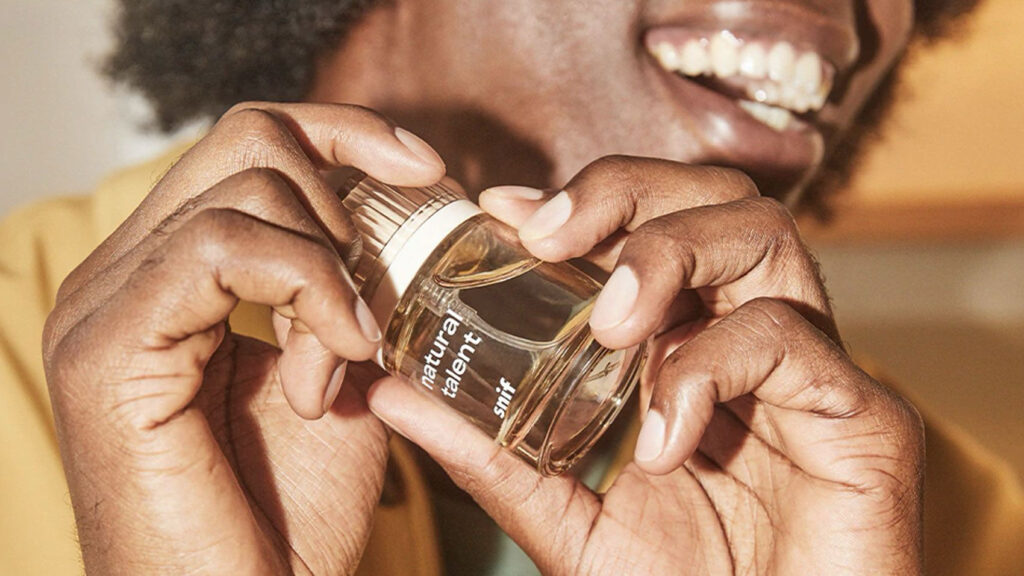
Genderless (or unisex) perfumes are all about balance. They don’t lean heavily toward traditionally “male” or “female” notes; instead, they celebrate contrast and neutrality.
Think of smoky vetiver meeting creamy sandalwood, or a fresh burst of citrus melting into soft musk. These compositions invite everyone to interpret them differently — the way a song means something unique to each listener.
But beyond ingredients, genderless perfumes are about freedom. They empower wearers to choose based on instinct and mood, not marketing. A fragrance like Le Labo’s Santal 33 or Byredo’s Gypsy Water doesn’t ask you who you are — it lets you decide.
Minimalism: The Modern Scent Philosophy
Alongside the rise of genderless fragrance comes another defining trend: minimalism. In a market once dominated by heavy, complex perfumes, minimalist scents are refreshingly understated. They rely on purity, restraint, and clarity — the olfactory equivalent of a crisp white shirt or a clean architectural line.
Minimalist perfumery isn’t about fewer ingredients for the sake of cost — it’s about precision. Each note has room to breathe and shine. You’ll often find these perfumes built around one central accord — think Molecule 01’s Iso E Super, Glossier You’s creamy musk, or Comme des Garçons Odeur 53, which smells like clean air and metal.
These scents don’t scream for attention. Instead, they whisper — leaving behind an impression of freshness, intimacy, and effortlessness.
The Psychology Behind the Trend
Our attraction to genderless and minimalist perfumes isn’t just aesthetic — it’s emotional. In an era defined by overstimulation and endless choice, people crave authenticity and calm.
Perfume has always been about self-expression, but the new generation wants to express something real — not a fantasy version of themselves. Minimalist fragrances feel honest and comforting, while genderless perfumes reject limitations and embrace individuality.
Wearing one feels like reclaiming your identity from societal expectations — quietly, elegantly, and on your own terms.
The Brands Leading the Movement
While the idea of unisex perfumery isn’t new (many classic colognes were gender-neutral centuries ago), modern fragrance houses have turned it into an art form.
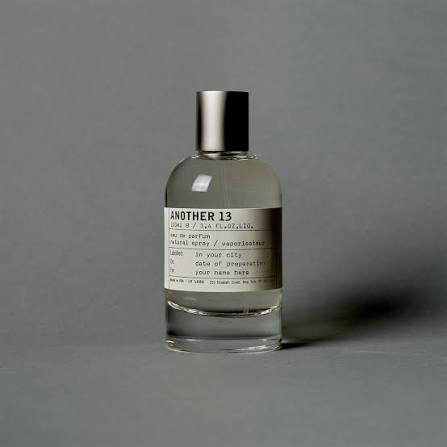
Le Labo paved the way with industrial-chic bottles and raw, textural blends like Santal 33 and Another 13. Their approach to scent — handmade, apothecary-style, and nameless — feels both intimate and inclusive.
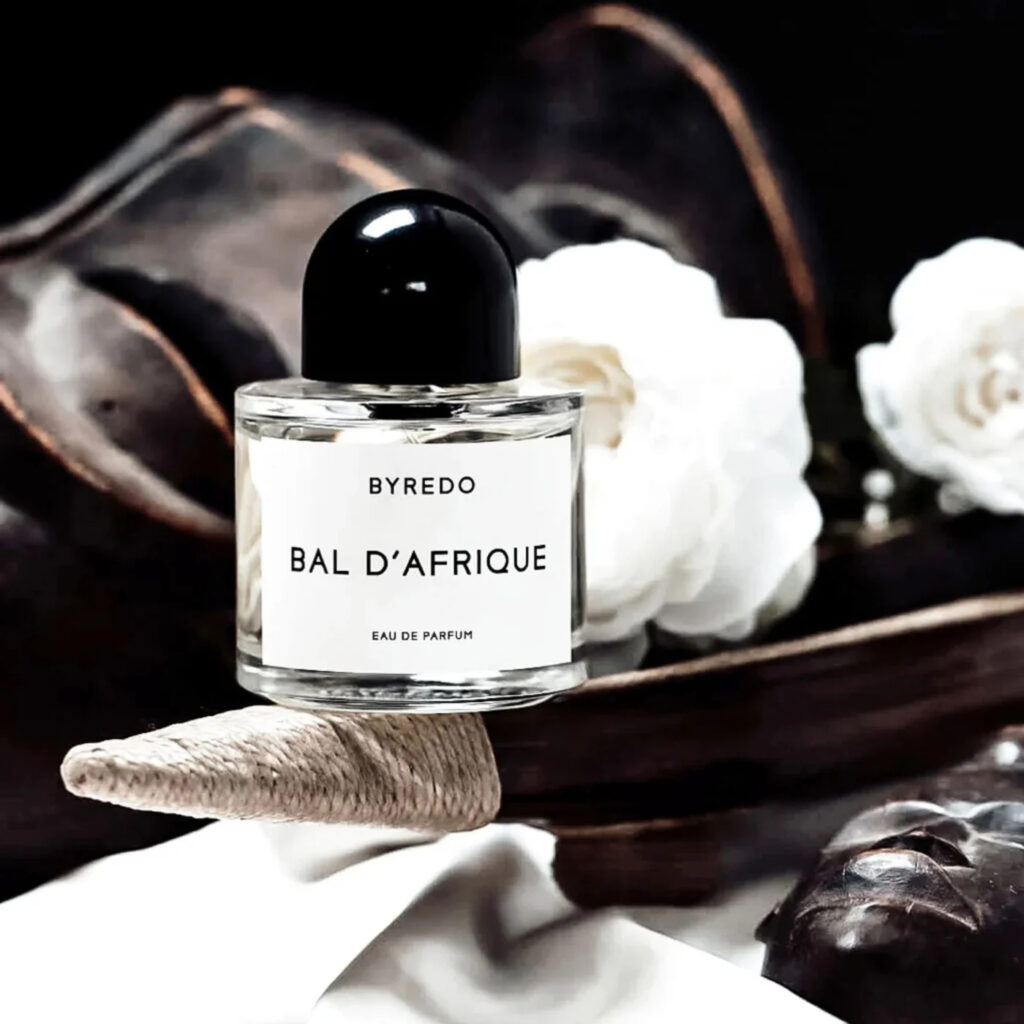
Byredo elevated minimalism into modern luxury. With sleek packaging and poetic storytelling, scents like Bal d’Afrique and Super Cedar transcend gender while embracing individuality.
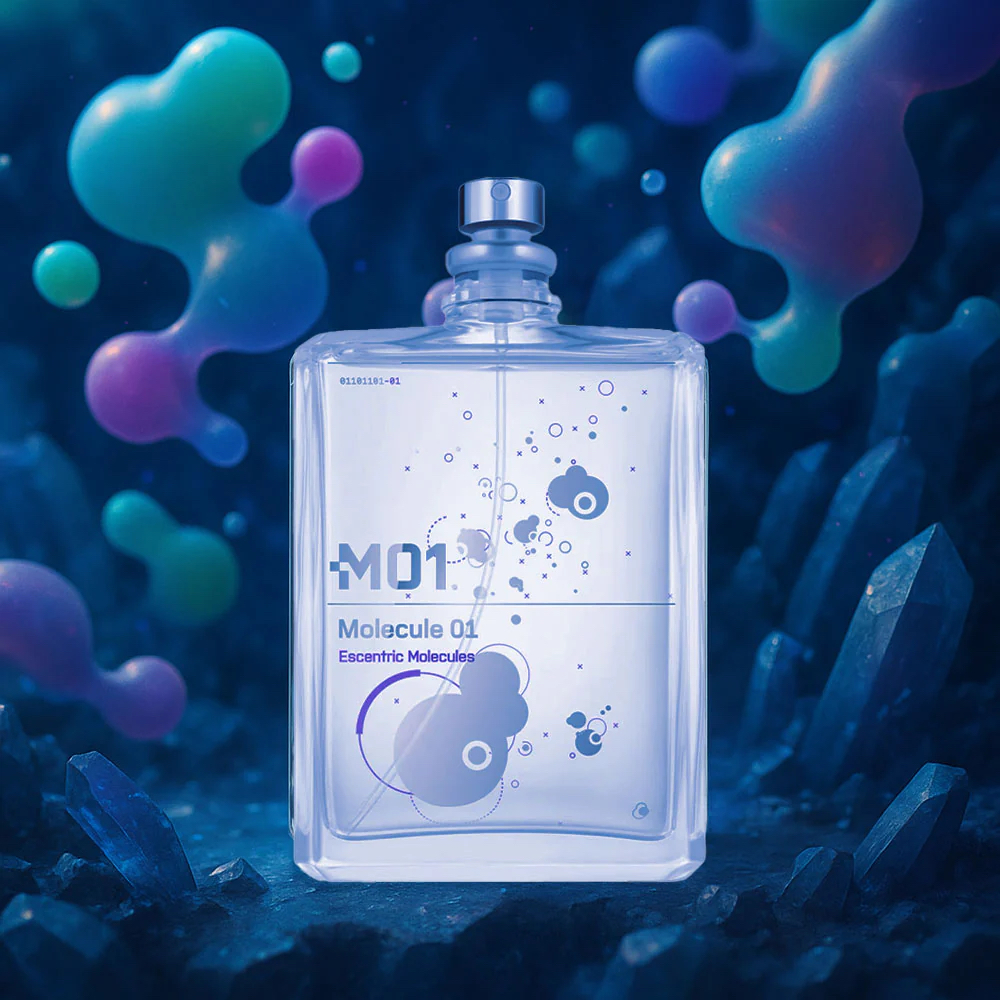
Escentric Molecules revolutionized perfumery with its single-molecule concept — scents that adapt to your skin chemistry, creating a fragrance that’s truly unique to you.

Aesop, the Australian skincare brand, takes a grounded approach with woody, herbal compositions like Hwyl and Tacit, evoking nature, stillness, and quiet confidence.
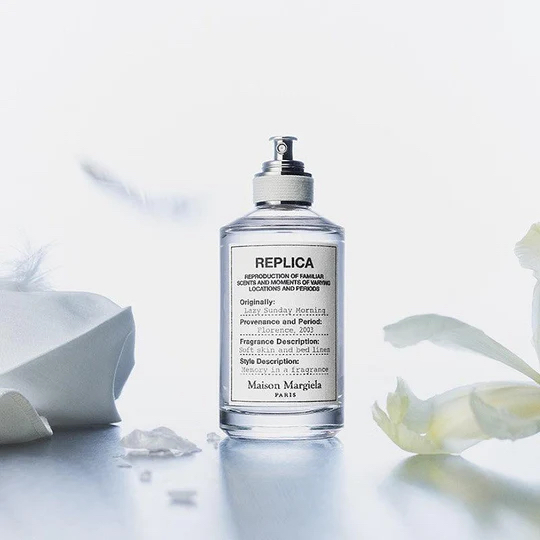
Maison Margiela’s Replica line plays with emotion rather than identity — Jazz Club, Lazy Sunday Morning, and By the Fireplace are all sensory memories, not gendered fantasies.
These brands share a common philosophy: perfume should be about personality, not presentation.
Minimalist Packaging: A Reflection of Scent Philosophy
The rise of genderless and minimalist perfumery isn’t just olfactory — it’s visual. The packaging tells its own story.
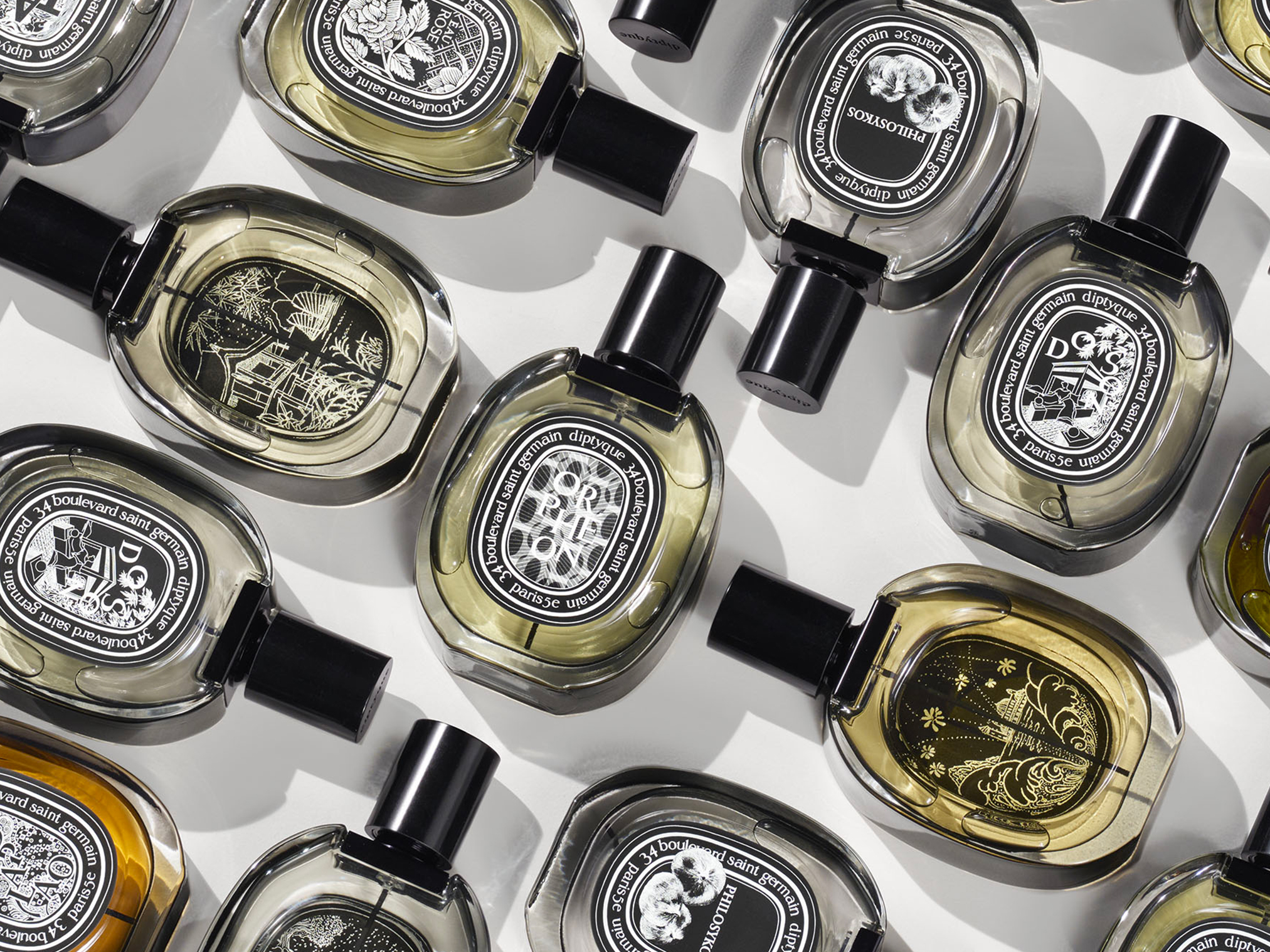
Gone are the ornate crystal bottles and gold-trimmed boxes. In their place, we see simple glass bottles, clean typography, and monochromatic palettes. This aesthetic mirrors the essence inside — transparent, thoughtful, and free from unnecessary decoration.
Even the labels themselves have become part of the minimalist ritual. Le Labo’s signature typewriter fonts, Byredo’s stark black-on-white, and Aesop’s apothecary-inspired bottles all convey one thing: the focus is on the scent, not the gendered fantasy around it.
The Sensuality of Subtlety
There’s something deeply sensual about minimalism in fragrance. Instead of filling the air with bold projection, these perfumes cling closer to the skin. They draw others in, inviting intimacy rather than demanding attention.
This understated sensuality has made minimalist scents a favorite among creative professionals and modern romantics alike — people who appreciate complexity, but prefer it expressed quietly.
Scents like Glossier You (that famously smells “like you, but better”) or Molecule 01 (which enhances your skin’s natural warmth) capture this invisible allure perfectly. They don’t just make you smell good — they make you feel real.
How to Choose a Genderless or Minimalist Perfume
If you’re new to the world of unisex and minimalist perfumery, start by asking yourself how you want to feel rather than how you want to smell.
Do you want something clean and transparent, like freshly washed linen? Try a musk-based minimalist fragrance such as Clean Reserve Skin or Aesop Hwyl.
Prefer something warm and woody that feels grounding? Le Labo Santal 33 or Maison Margiela’s Whispers in the Library might be your match.
For those who love crisp freshness, seek out green or citrus-forward perfumes like Byredo Blanche or Escentric 02.
And remember — perfume evolves on skin. The same scent can smell completely different on two people, which is exactly the point.
The Future of Fragrance Is Fluid
As conversations around identity continue to evolve, so too will our relationship with scent. The next generation of perfumers is focusing not just on breaking gender norms, but also on sustainability, transparency, and emotional storytelling.
We’ll see more brands using ethically sourced ingredients, biodegradable packaging, and inclusive marketing that reflects real diversity. Genderless fragrances aren’t just about equality — they’re about connection. They invite everyone into the conversation, no labels required.
Final Thoughts: Less Is Truly More
The rise of genderless and minimalist perfumes signals a profound cultural shift — from excess to essence, from performance to authenticity. These scents remind us that beauty doesn’t need to be loud to be powerful.
In a world that constantly tells us who to be, a genderless, minimalist perfume says something radical: just be yourself.
Whether it’s the woody calm of Santal 33, the ethereal freshness of Gypsy Water, or the quiet intimacy of Glossier You, these perfumes don’t define you — they reflect you. And that’s what makes them timeless.

3 Comments