Fragrance and fine art have always shared the same creative heartbeat: emotion, memory, imagination, and storytelling. A painting can move you with color and light, while a perfume moves you with invisible strokes of scent layered like brushwork. Today, a new wave of perfumers is drawing directly from iconic artworks and celebrated art movements—transforming oils, resins, musks, florals, and spices into olfactory interpretations of everything from Impressionism to Surrealism.
This growing niche category proves one thing: perfume isn’t just beauty—it’s art you wear. Below, we explore the inspirations, the stories, and the standout fragrances that bring world-famous paintings and artistic eras to life.
The Intersection of Perfume and Art: A Growing Olfactory Movement
Perfumery has always been artistic, but modern niche houses have turned the relationship between scent and art into a deliberate creative dialogue. Instead of designing fragrances solely around ingredients or trends, perfumers now draw inspiration from:
- Painting techniques (soft-focus Impressionism, bold Fauvism, precise Realism)
- Color palettes (Monet’s pastels, Van Gogh’s blues, Rothko’s saturated fields)
- Artistic themes (romanticism, surrealism, rebellion, melancholy)
- Specific paintings and artists
- Emotional atmospheres (light, shadow, serenity, chaos)
What emerges is a genre where perfume becomes a sensory translation of visual art—evoking brushstrokes through accords, composition through structure, and mood through balance. Below are some of the most fascinating ways fragrances bring art to life.
1. Impressionism: Perfumes That Smell Like Light and Color
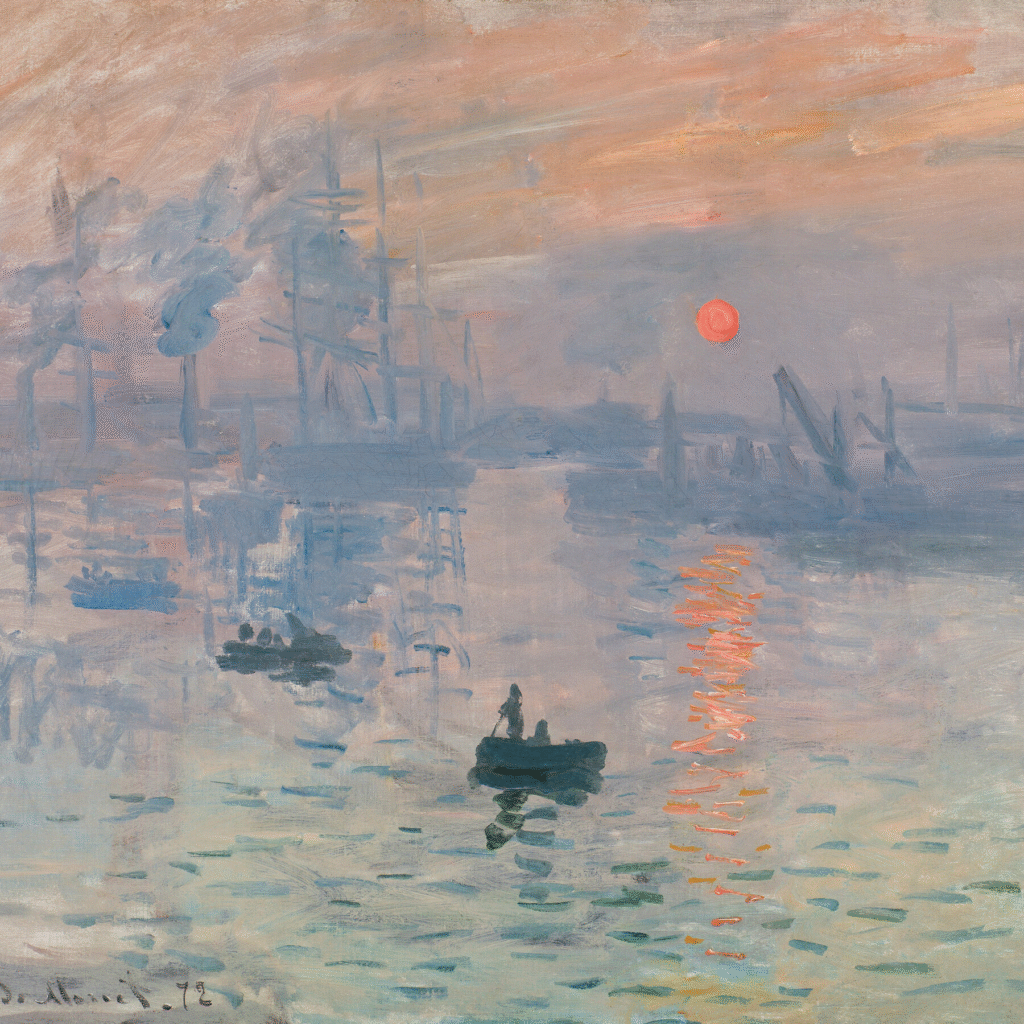
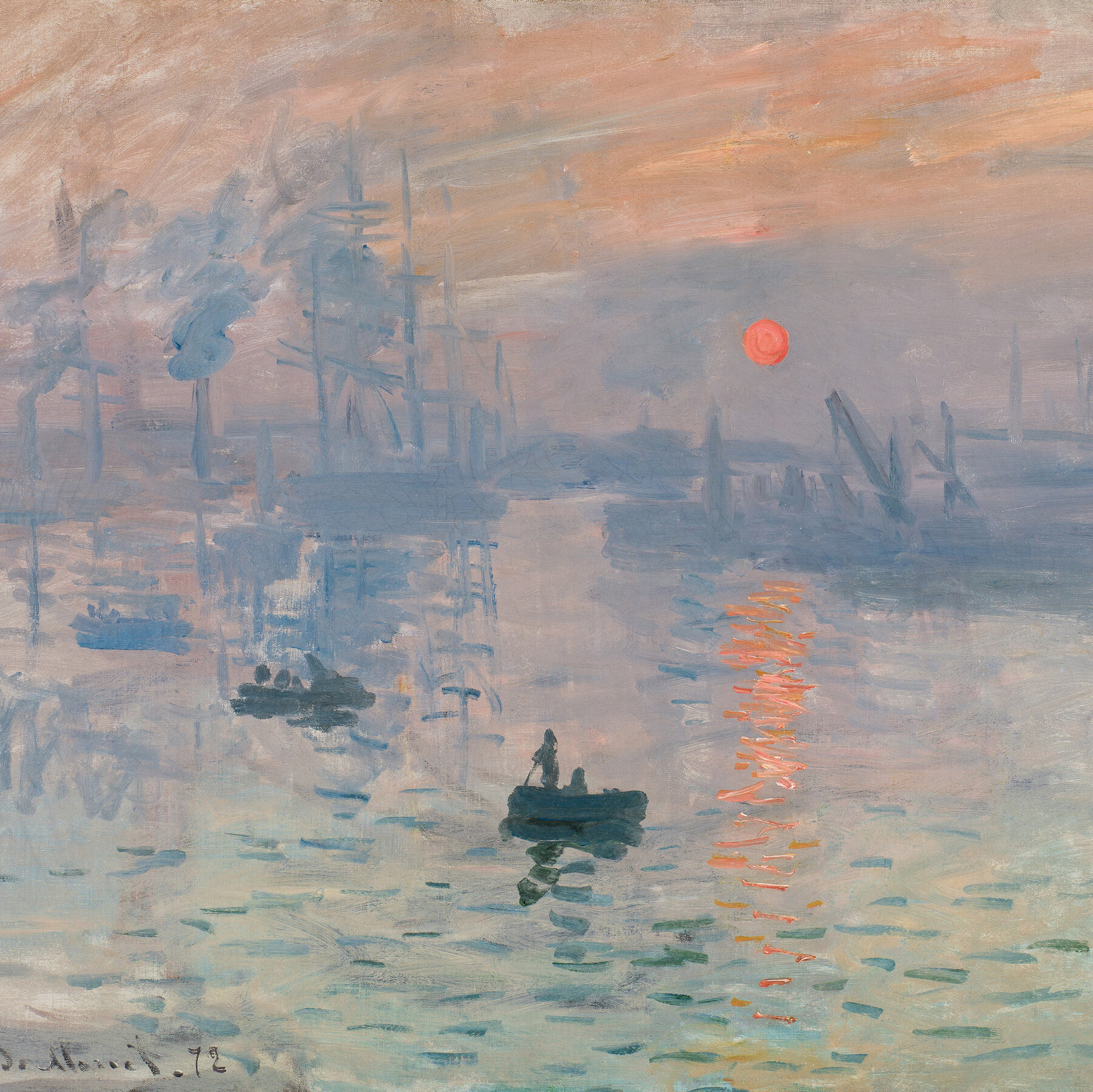
Impressionist painters like Claude Monet, Pierre-Auguste Renoir, and Berthe Morisot sought to capture fleeting sunlight, soft movement, and pastel hues. Perfumes inspired by Impressionism typically echo this airiness and luminosity.
These compositions are often built around soft florals, tender citrus, airy musks, watery notes, and sheer woods. They feel like morning light on water—quiet, elegant, ephemeral.
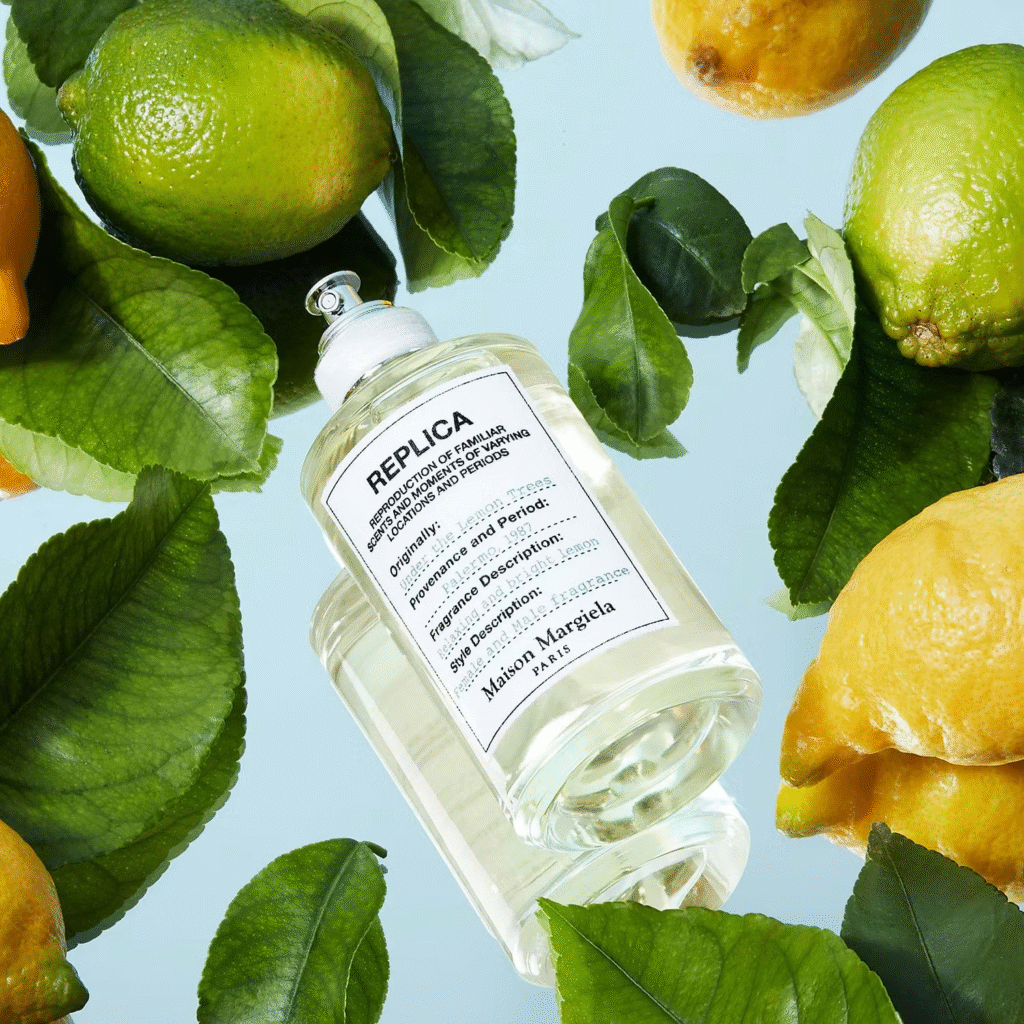
Fragrances that embody Impressionism:
- Maison Margiela Replica “Under the Lemon Trees” — evokes dappled light, gentle citrus, and the serenity of nature.
- Guerlain Aqua Allegoria Herba Fresca — green leaves and mint in the early morning sun.
- Byredo La Tulipe — fresh-cut tulips, bright pink petals, and soft spring breezes.
These perfumes don’t demand attention—they glow softly on the skin, much like an Impressionist painting glows softly on canvas.
2. Surrealism: Scents That Bend Reality
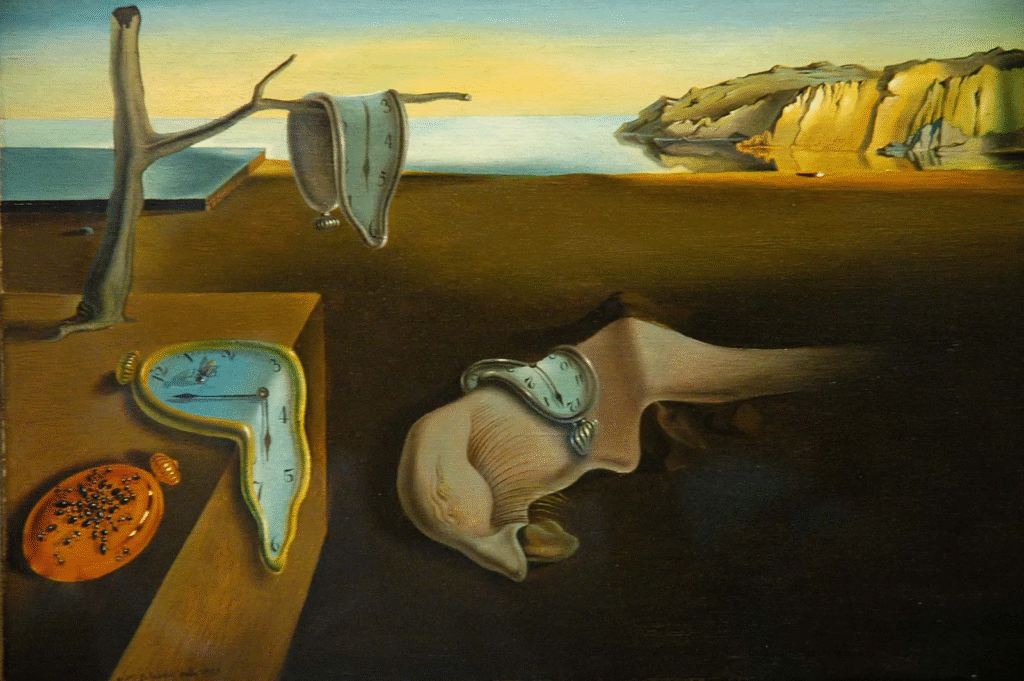
Surrealist artists like Salvador Dalí and René Magritte blurred the line between dreams and reality, creating bizarre, poetic, and unexpected imagery. Perfumes inspired by Surrealism do the same: they combine notes in strange, intriguing ways that are hard to place but impossible to forget.
These fragrances often include unusual accords—smoke and cotton candy, milky woods and metallic florals, ink, rubber, leather, “cold air,” or abstract musks.
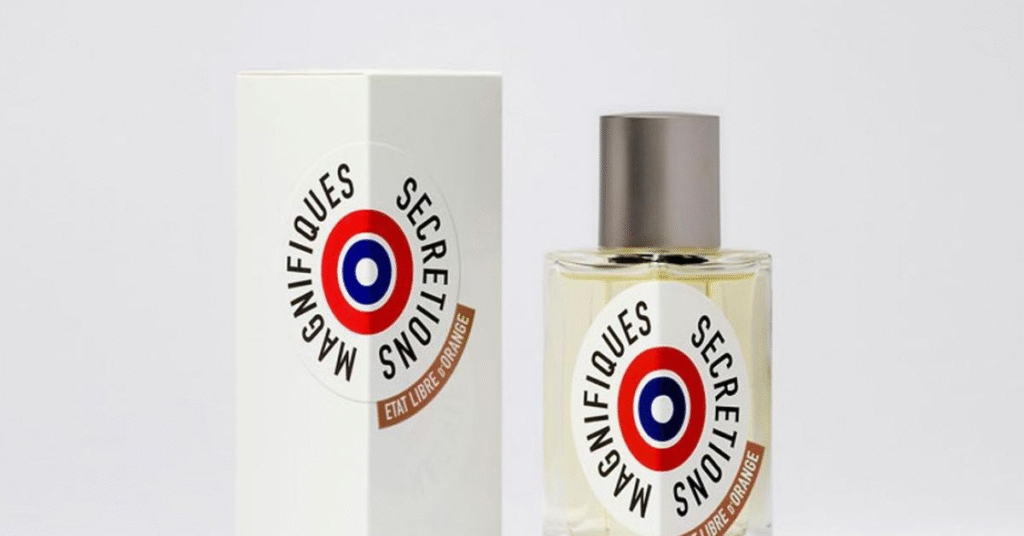
Examples of surrealist-inspired perfumes:
- Etat Libre d’Orange “Dada” — chaotic, green, spicy, herbal, and playful.
- Comme des Garçons “Ink” — smells like marker ink, paper, and wet minerals.
- Nasomatto “Black Afgano” — dark resins, shadowy woods, dreamlike haze.
These scents embrace contradiction—just as Surrealism embraces the unexpected.
3. Romanticism: Perfumes of Emotion, Beauty, and Longing
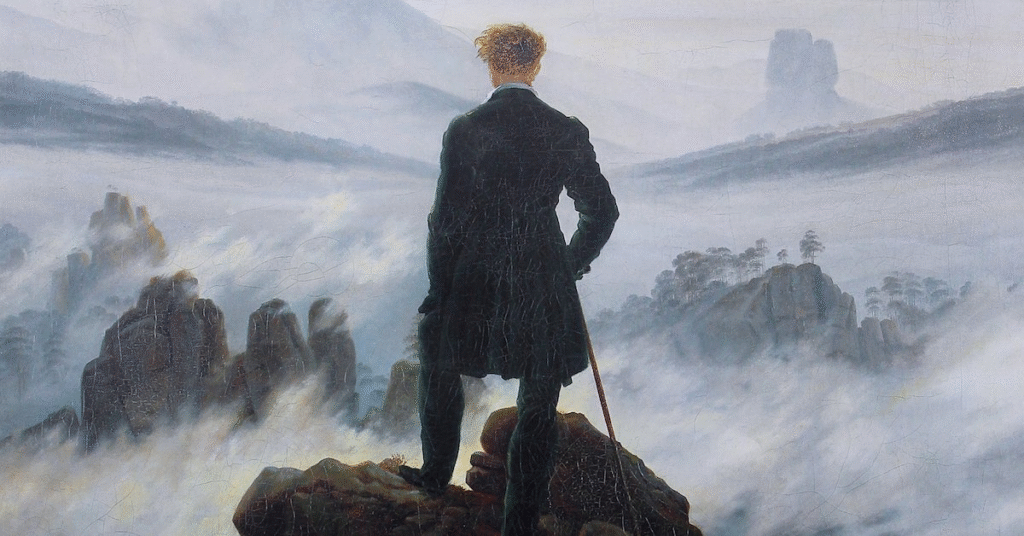
Romantic artists like Caspar David Friedrich and Eugène Delacroix believed in emotion over logic, passion over restraint, and nature as a symbol of the soul. Perfumers channel Romanticism through compositions that feel lush, poetic, atmospheric, and deeply emotional.
Expect velvety roses, dark berries, incense, amber, smoky woods, and moonlit musks. These perfumes feel like longing bottled.
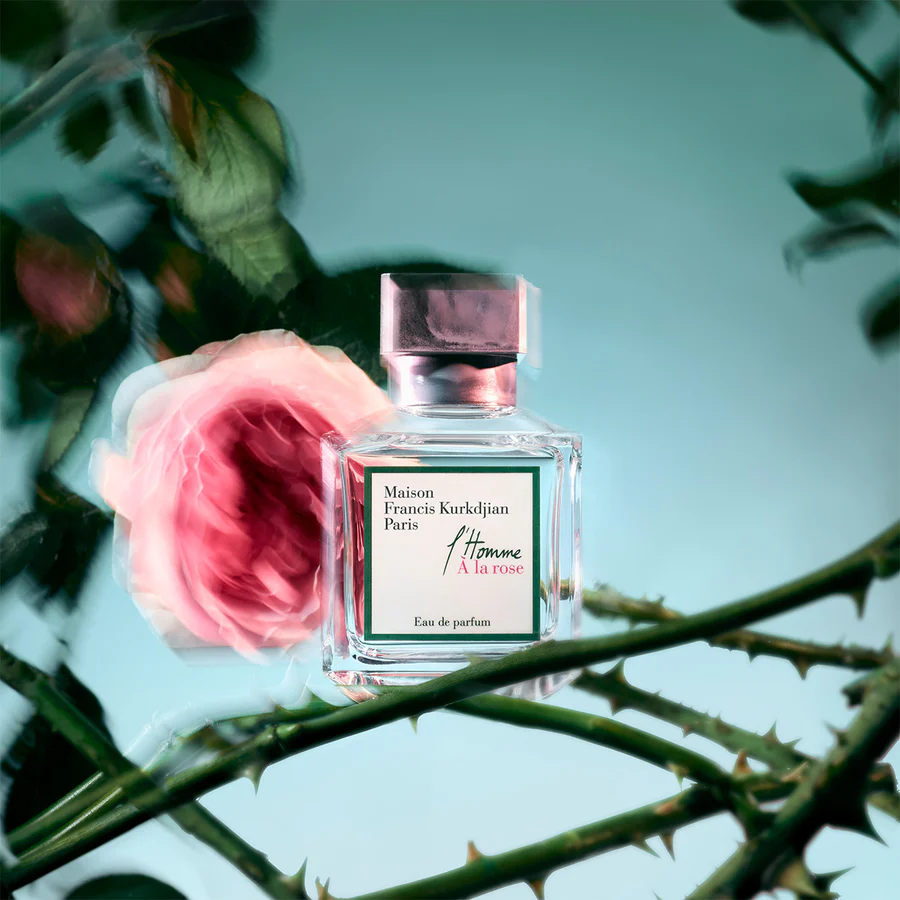
Romantic art–inspired perfumes:
- Maison Francis Kurkdjian “À la Rose” — a delicate yet emotional ode to feminine beauty.
- Amouage “Memoir Woman” — mysterious woods and incense swirling like oil paint.
- Dior “Mitsouko” — an iconic chypre with dramatic emotional depth.
These are fragrances that feel like they belong in candlelit rooms and windswept landscapes—the hallmarks of Romantic art.
4. Abstract Expressionism: Perfumes as Color Fields
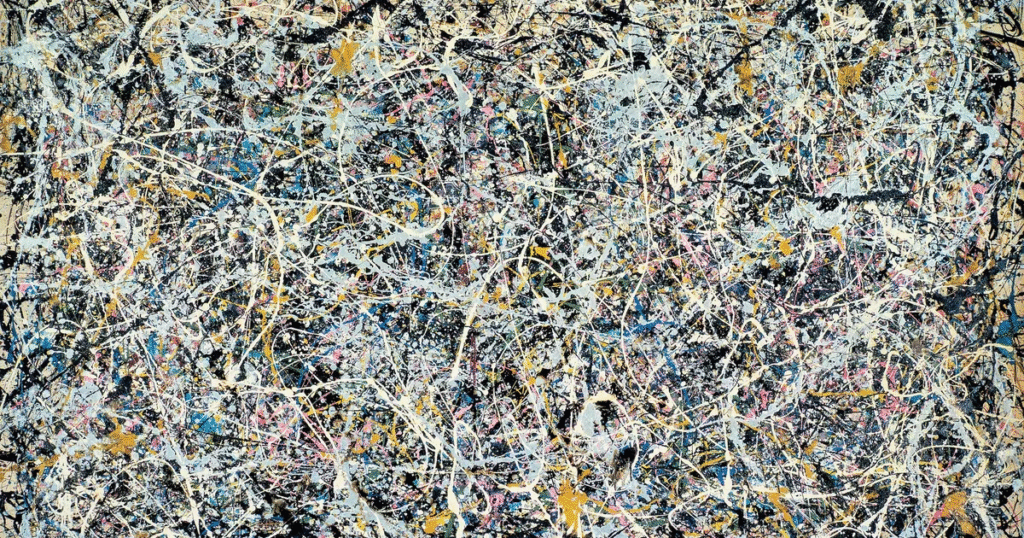
Artists like Mark Rothko and Jackson Pollock revolutionized art by focusing on emotion through movement, color, and texture instead of recognizable images. Fragrances inspired by abstract expressionism tend to feel bold, textural, free-form, and immersive.
These perfumes often focus on a dominant note—not as a simple highlight, but as a large “color field” of scent. They may be linear (unchanging) yet incredibly powerful.

Examples of abstract perfumes:
- Escentric Molecules “Molecule 01” — a single aroma-molecule, ISO E Super, creating a sheer, addictive aura.
- Le Labo “Another 13” — metallic ambrox, soft musk, and modern minimalism.
- Tom Ford “Ombre Leather” — a bold leather note brushed across the skin like black paint.
These perfumes are conceptual—focusing more on mood and sensation than storytelling.
5. Renaissance and Classical Art: Perfumes of Elegance, Gold, and Balance
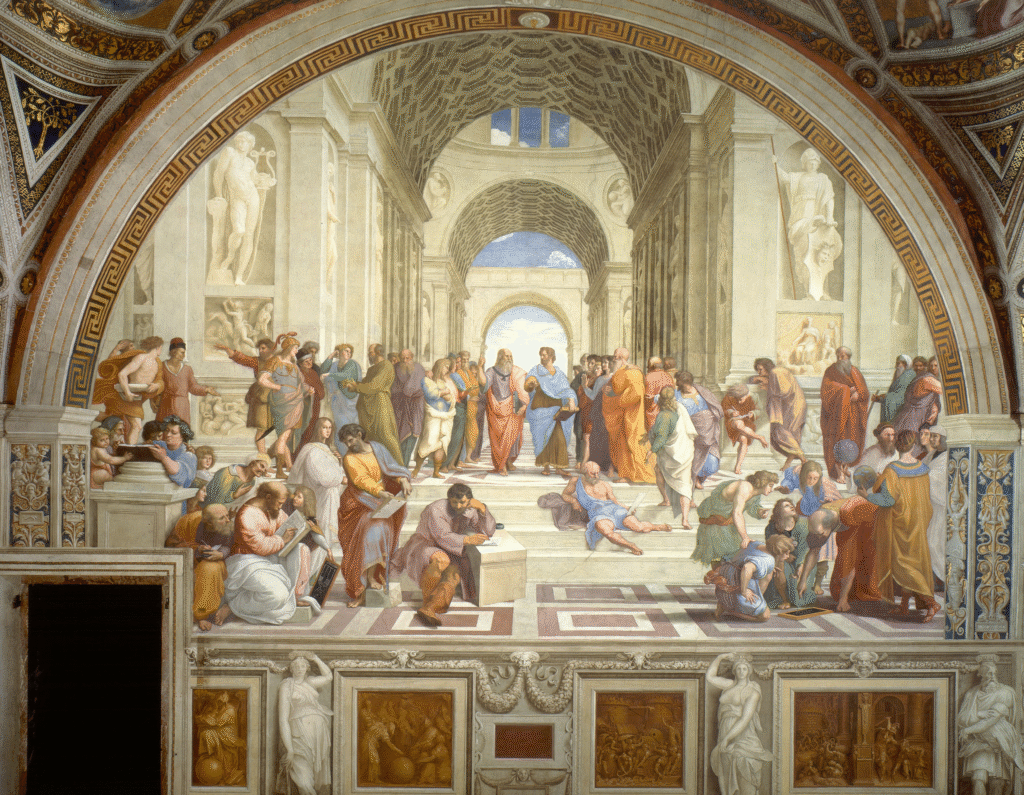
Inspired by artists like Leonardo da Vinci, Raphael, and Botticelli, these fragrances prioritize structure, harmony, and craftsmanship. Renaissance-inspired scents often contain:
- Refined florals like iris, violet, rose, and orange blossom
- Elegant musks and soft woods
- Well-balanced compositions that evolve seamlessly
These perfumes celebrate beauty through symmetry and proportion—just as Renaissance art does.
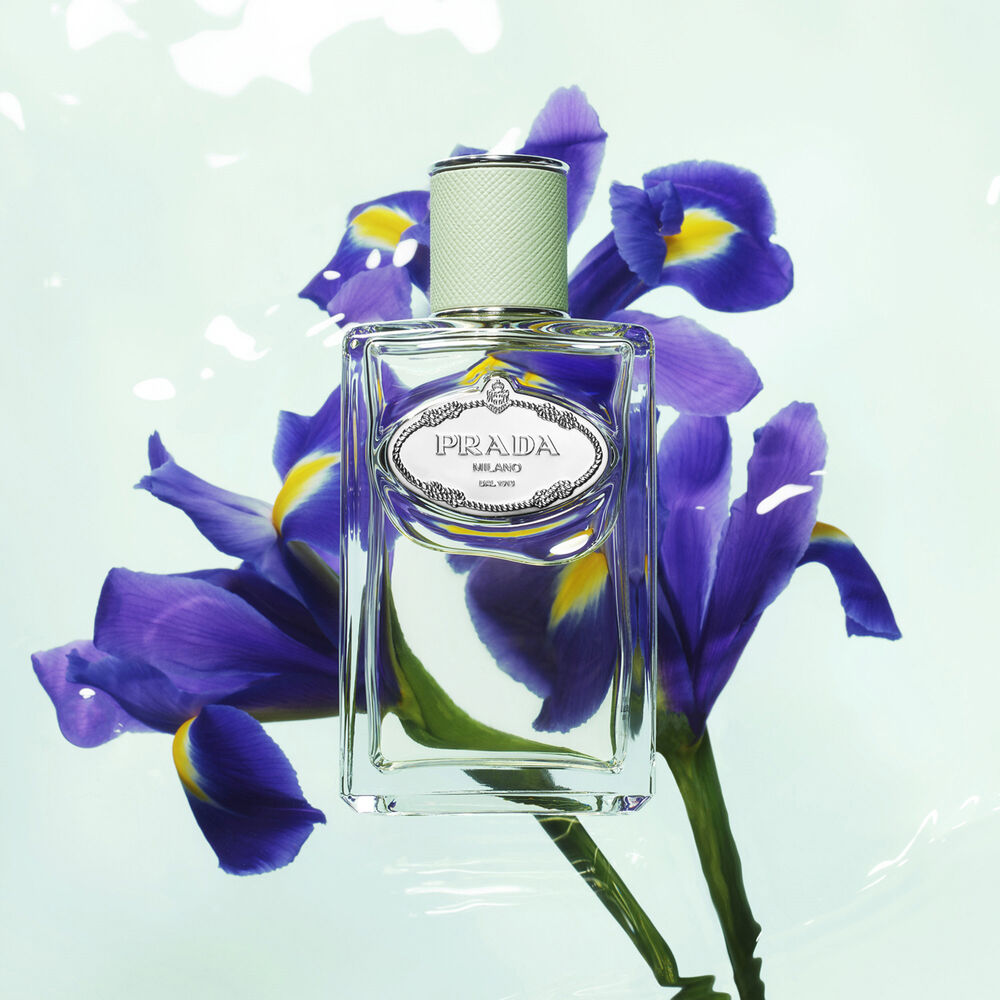
Examples:
- Prada Infusion d’Iris — powdery, clean, classical elegance
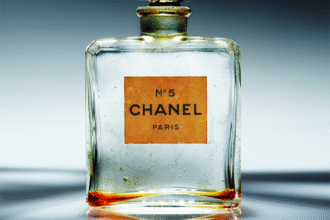
- Chanel No. 5 — aldehydes and florals structured like a masterful oil painting
- BDK Gris Charnel — balanced, refined, timeless
These scents feel like silk, marble, and gold leaf—polished and eternal.
6. Modern Art and Minimalism: The Beauty of Clean Lines
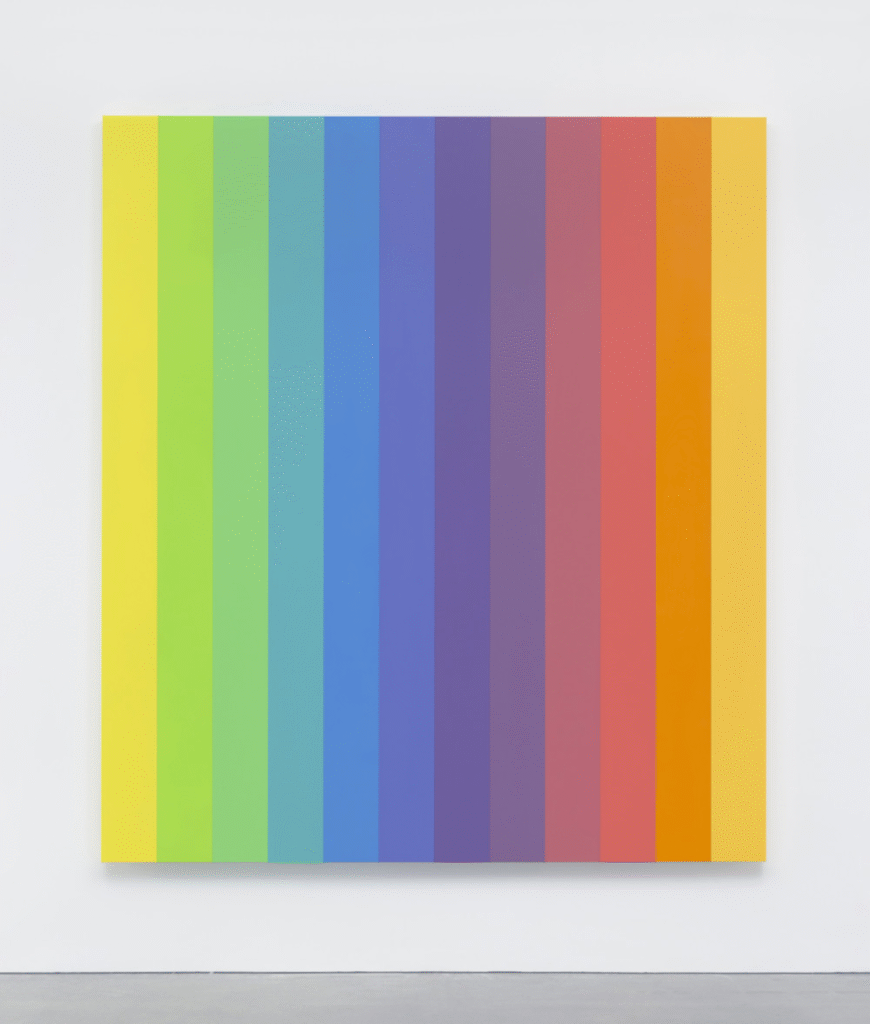
Inspired by artists like Ellsworth Kelly, Agnes Martin, and Piet Mondrian, modernist and minimalist fragrances embrace simplicity, purity, and clarity.
Expect clean musks, transparent florals, light woods, aldehydes, and crisp citrus. These perfumes smell like white space—calming and quietly sophisticated.

Examples:
- Glossier You — skin-like musk and iris with a minimalist heart
- Byredo Blanche — aldehydes and soft florals that feel like clean linen
- Maison Margiela Replica “Lazy Sunday Morning” — soft musks and delicate florals
These perfumes are modern paintings in scent form—restrained, pure, and architectural.
How Perfumers Translate Visual Art Into Scent
Creating a perfume inspired by a painting or movement requires synesthetic thinking. Perfumers often ask:
- If this painting had a smell, what would it be?
- What mood does the artwork evoke—serenity, chaos, warmth, melancholy?
- What colors dominate the canvas, and what scents reflect those colors?
- What raw materials mimic the texture or emotion of the piece?
For example:
- Blue might translate into aquatic notes, iris, lavender, or cool musks.
- Red becomes spices, berries, roses, or smoky woods.
- Earthy browns and greens become vetiver, patchouli, moss, cedar, and resins.
The result is not a literal perfume, but an interpretation—an emotional translation.
Why Art-Inspired Perfumes Are Becoming Popular
These fragrances appeal to people who view perfume as more than just scent—they see it as storytelling. Art-inspired perfumes let wearers:
- Own a sensory piece of a beloved artwork
- Express creativity through their fragrance choices
- Explore emotional landscapes in scent
- Appreciate perfumery as a cultural and artistic medium
In a world that increasingly values individuality and experience, perfumes rooted in art feel personal, intimate, and meaningful.
Final Thoughts: When Art Meets Scent, Magic Happens
Perfumes inspired by paintings and art movements invite us to experience scent on a deeper level—as expression, memory, emotion, and imagination. Whether you’re drawn to the dreamy softness of Impressionism, the wild unpredictability of Surrealism, or the timeless elegance of Classical art, there’s a fragrance that reflects your personal aesthetic and artistic soul.
Art tells stories visually—perfume tells them invisibly. When the two come together, the result is a multi-sensory masterpiece you can wear every day.