Perfume has never existed in a vacuum. While it is often discussed as a luxury or a form of personal expression, fragrance has always been deeply responsive to the world around it. Wars, economic crises, pandemics, social revolutions, and technological breakthroughs have all left unmistakable traces on how perfumes are created, marketed, and worn.
From heavy animalic compositions born of scarcity to clean, skin-like scents shaped by global uncertainty, perfume trends are, in many ways, a scented record of human history. This comprehensive guide explores how major world events have shaped perfume trends across time—and why the fragrances we gravitate toward often reveal more about our collective psyche than we realize.
Perfume as a Cultural Barometer
Scent is uniquely tied to memory and emotion, making it especially sensitive to societal shifts. When times are stable, fragrance trends tend to favor experimentation, opulence, and novelty. When the world is unstable, perfume often turns inward—becoming comforting, restrained, or symbolic.
Throughout history, perfumers have responded to external pressures such as ingredient shortages, changes in consumer spending, evolving gender roles, and advances in chemistry. As a result, perfume trends rarely emerge by accident. They are reactions—sometimes subtle, sometimes dramatic—to the world as it is being lived.
The Impact of World War I: From Opulence to Sobriety
Before World War I, European perfumery leaned heavily toward ornate, natural compositions. Florals, animal musks, and rich balsamic notes dominated the market, reflecting the luxury and optimism of the Belle Époque.
The war changed everything.
Ingredient shortages, disrupted trade routes, and shifting social values forced perfumers to innovate. Natural materials became scarce, leading to greater experimentation with synthetic molecules. This period laid the groundwork for modern perfumery, where chemistry became as important as botany.
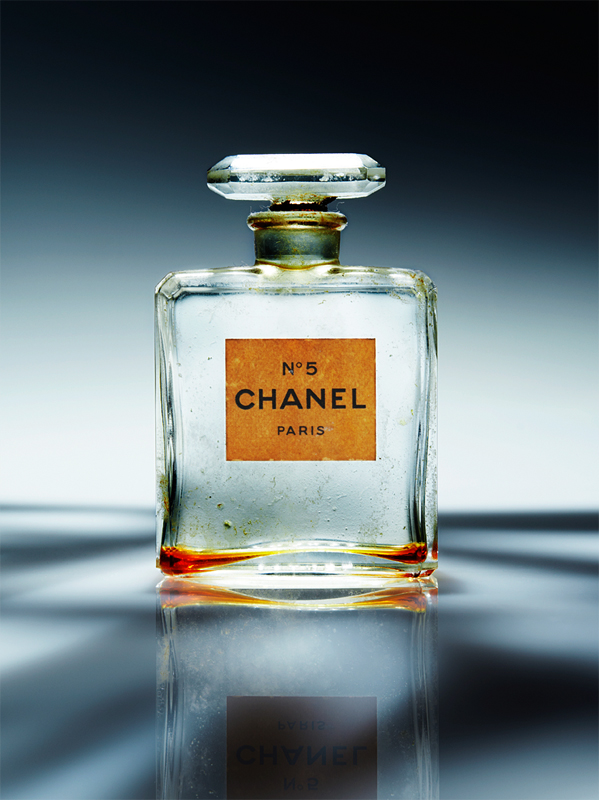
One of the most influential outcomes of this era was the rise of abstract fragrances—scents that did not attempt to mimic a single flower or material, but instead evoked a feeling or idea. This philosophical shift culminated shortly after the war with the release of Chanel No. 5 in 1921, a perfume that rejected realism in favor of modernity.
World War I also accelerated changes in women’s roles, which would continue to shape perfume trends for decades to come.
The Roaring Twenties: Liberation, Modernity, and Aldehydes
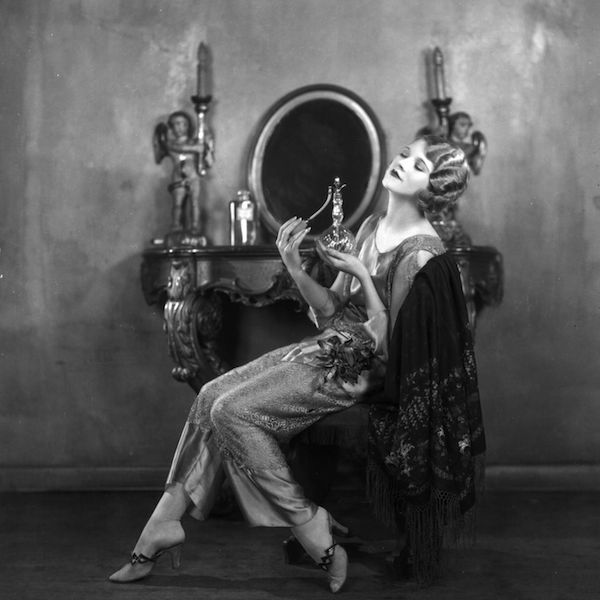
The post-war period ushered in a cultural revolution. Women cut their hair, shortened their skirts, and embraced independence. Perfume followed suit.
Scents of the 1920s reflected confidence and freedom. Aldehydes—sparkling, abstract molecules—became fashionable, giving perfumes a clean, effervescent quality that felt new and forward-looking. These fragrances aligned with the era’s fascination with technology, speed, and progress.
Perfume bottles also became more minimalist and architectural, mirroring Art Deco aesthetics. Scent was no longer just an accessory; it was a statement of identity in a rapidly modernizing world.
The Great Depression: Comfort Over Excess
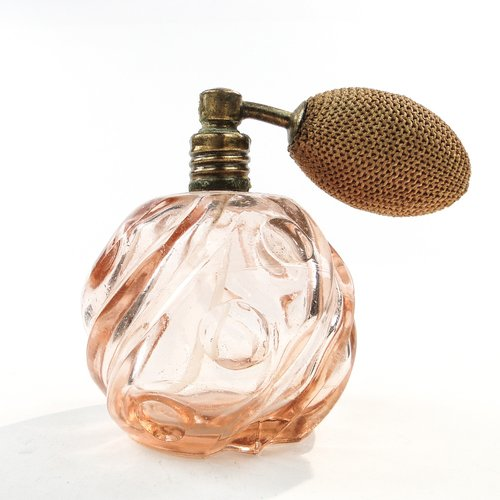
The economic collapse of the 1930s brought another dramatic shift. With disposable income limited, consumers gravitated toward fragrances that felt comforting, familiar, and enduring.
Perfume trends during this period favored soft florals, gentle powders, and understated elegance. Many women chose signature scents they could rely on rather than chasing novelty. Smaller bottle sizes and more affordable formats became common.
Interestingly, this period reinforced perfume as an emotional anchor. In uncertain times, fragrance offered a sense of normalcy and personal dignity—something beautiful and personal that could not be taken away by economic hardship.
World War II: Scarcity, Innovation, and Symbolism
World War II had an even more profound impact on perfumery than the first. Ingredient shortages were severe, especially in Europe. Alcohol, essential oils, and glass were rationed, forcing perfumers to reformulate and simplify.
Animal-derived materials like civet and musk became nearly impossible to source. This accelerated the development and acceptance of synthetic alternatives, permanently changing the perfume industry.
Despite these challenges, perfume became a powerful symbol of resilience. Wearing fragrance during wartime was an act of defiance—a way to maintain femininity, identity, and morale amid destruction.
Some houses relocated production or relied on international markets to survive. The global nature of perfume trade expanded during this period, setting the stage for the post-war boom.
The Post-War Boom: Glamour, Femininity, and Optimism
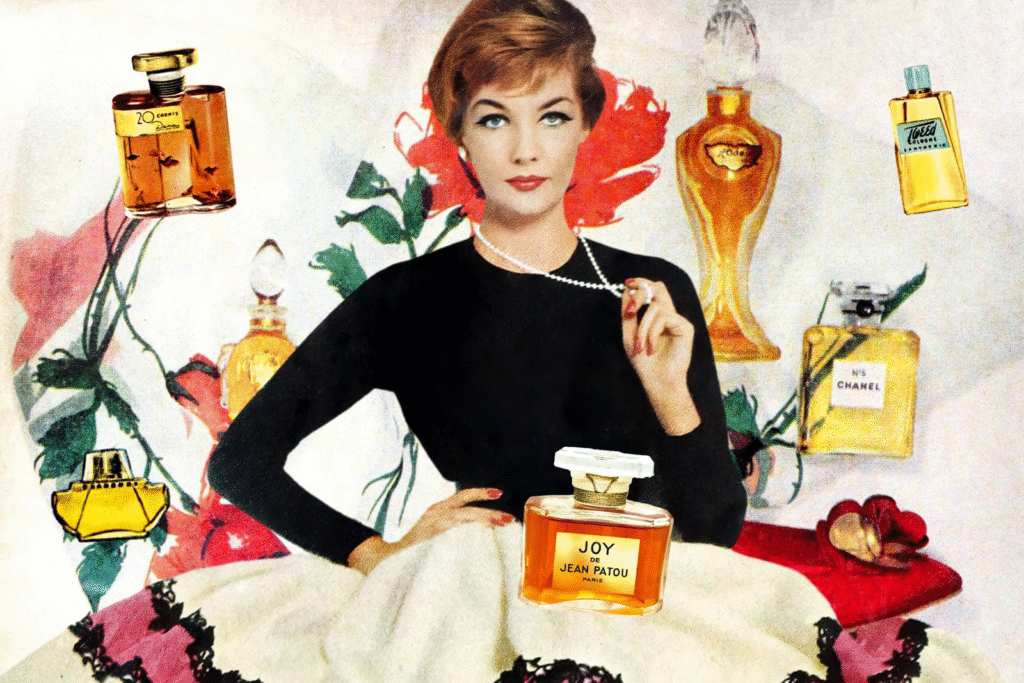
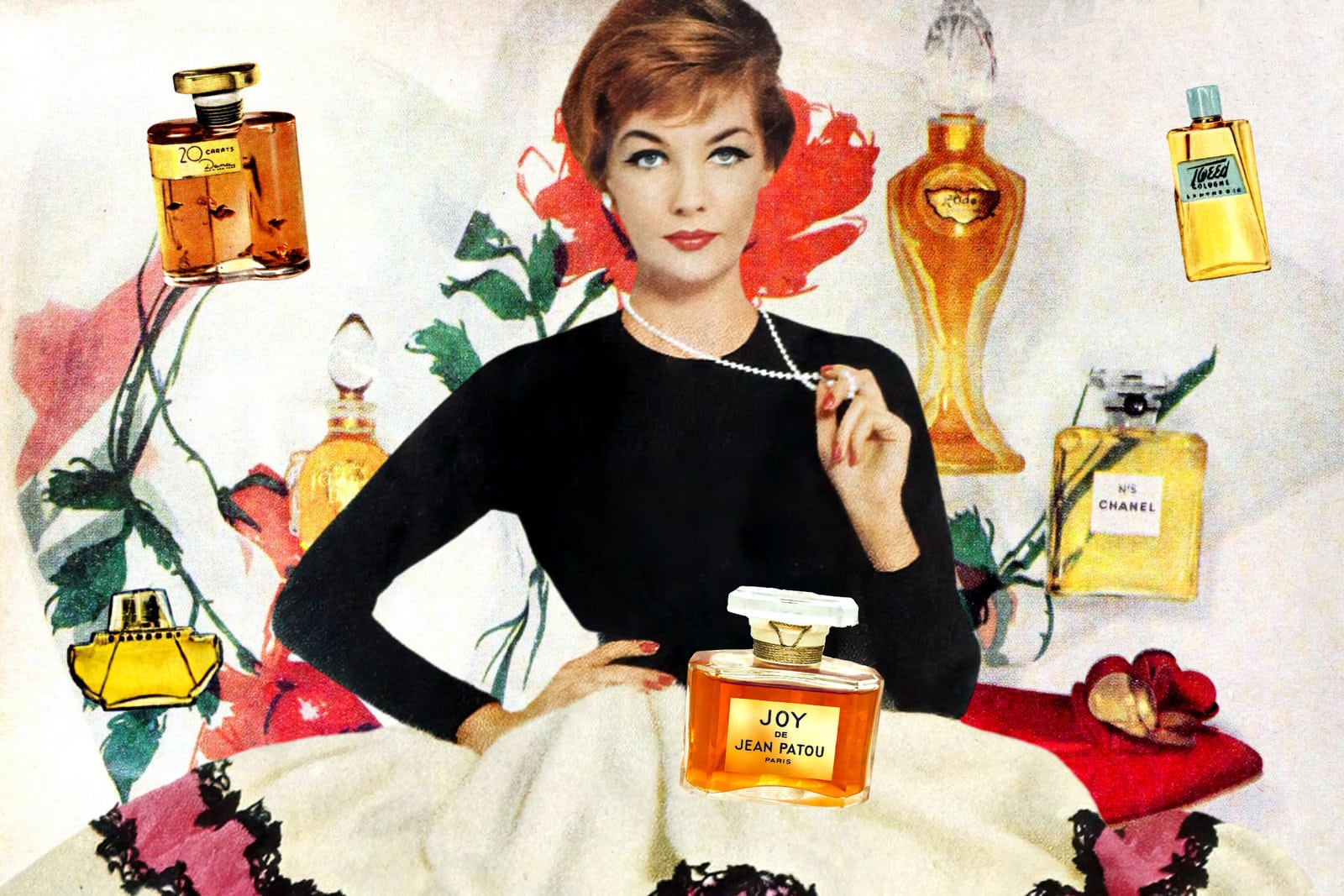
The decades following World War II were marked by renewed prosperity, especially in the United States and Western Europe. Perfume trends reflected this optimism through lush florals, rich orientals, and glamorous advertising.
This was the era of cinematic femininity and aspirational luxury. Fragrances were bold, expressive, and unapologetically sensual. Marketing campaigns emphasized elegance, romance, and escapism—qualities that resonated deeply with consumers eager to move beyond years of austerity.
Perfumery also became more globalized, with international brands expanding their reach and establishing fragrance as a mass-market luxury rather than an elite indulgence.
The 1960s and 1970s: Counterculture and Naturalism
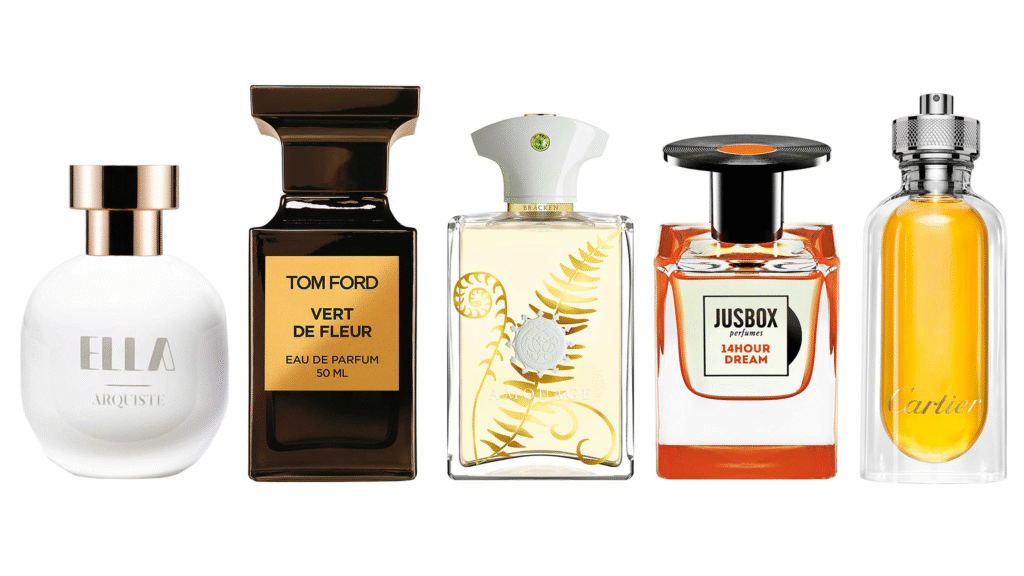
Social revolutions in the 1960s and 1970s reshaped perfume trends once again. The rise of counterculture, environmental awareness, and anti-establishment sentiment led to a rejection of overt luxury.
Fragrances during this period often emphasized natural, green, and herbal notes. Patchouli, vetiver, and incense gained popularity, reflecting influences from Eastern philosophy and a desire for authenticity.
Gender norms also softened. Unisex fragrances began to emerge, challenging the strict division between “masculine” and “feminine” scents. Perfume became more personal and less performative—a reflection of changing attitudes toward identity and self-expression.
The 1980s: Power, Excess, and Statement Scents
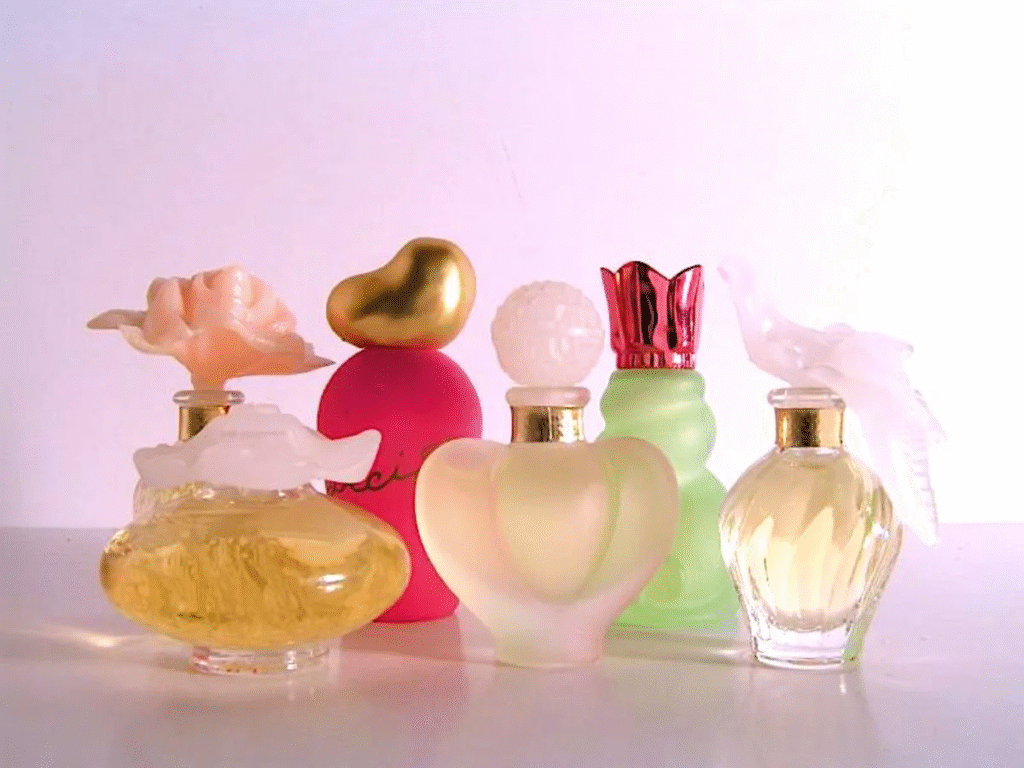
Few decades were as olfactorily loud as the 1980s. Fueled by economic growth, corporate culture, and conspicuous consumption, perfume trends swung dramatically toward excess.
Big hair, bold fashion, and powerful fragrances defined the era. Perfumes were designed to project, dominate, and announce presence. Heavy florals, spicy orientals, and strong animalic bases were common.
These scents mirrored a culture obsessed with success, visibility, and confidence. Perfume was no longer subtle—it was armor, ambition, and attitude in liquid form.
The 1990s: Minimalism and Clean Aesthetics
The excess of the 1980s gave way to a backlash in the 1990s. Influenced by minimalist fashion, economic uncertainty, and changing workplace norms, perfume trends shifted toward cleanliness and restraint.
Fresh aquatics, transparent musks, and soft florals dominated. These scents were often described as “clean,” “soapy,” or “barely there,” aligning with a broader cultural move toward simplicity and authenticity.
This era also saw the rise of niche perfumery, as some consumers sought alternatives to mass-market releases. Small brands began emphasizing craftsmanship, individuality, and artistic expression—laying the groundwork for today’s niche fragrance boom.
The Early 2000s: Globalization and Sweet Escapism
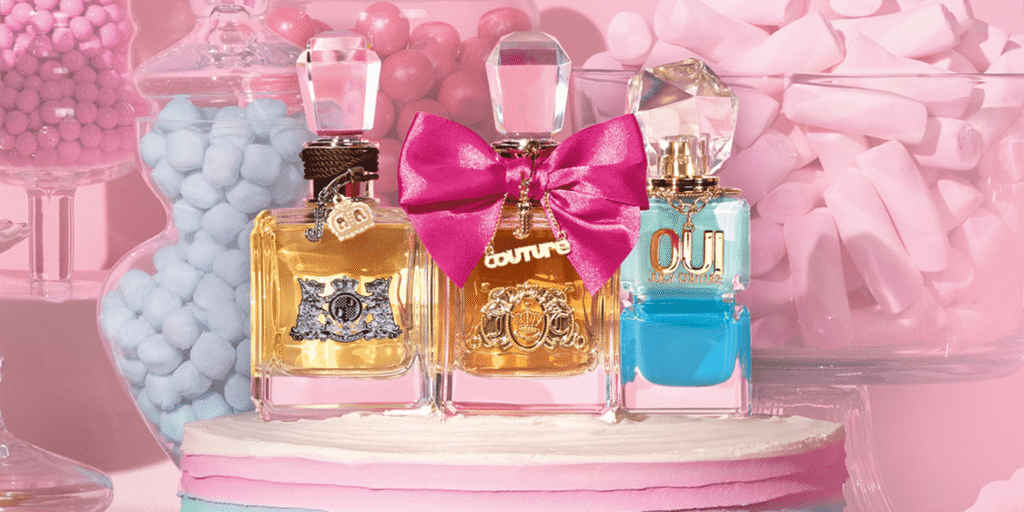
The early 21st century brought rapid globalization, digital connectivity, and new forms of escapism. Perfume trends responded with playful, sweet, and often gourmand compositions.
Vanilla, caramel, and edible notes became popular, offering comfort and pleasure in an increasingly fast-paced world. These fragrances were approachable and emotionally satisfying, appealing to a generation navigating new uncertainties.
At the same time, luxury branding intensified. Celebrity fragrances surged, and perfume became more closely tied to personal branding and lifestyle marketing.
The COVID-19 Pandemic: Intimacy, Comfort, and Skin Scents
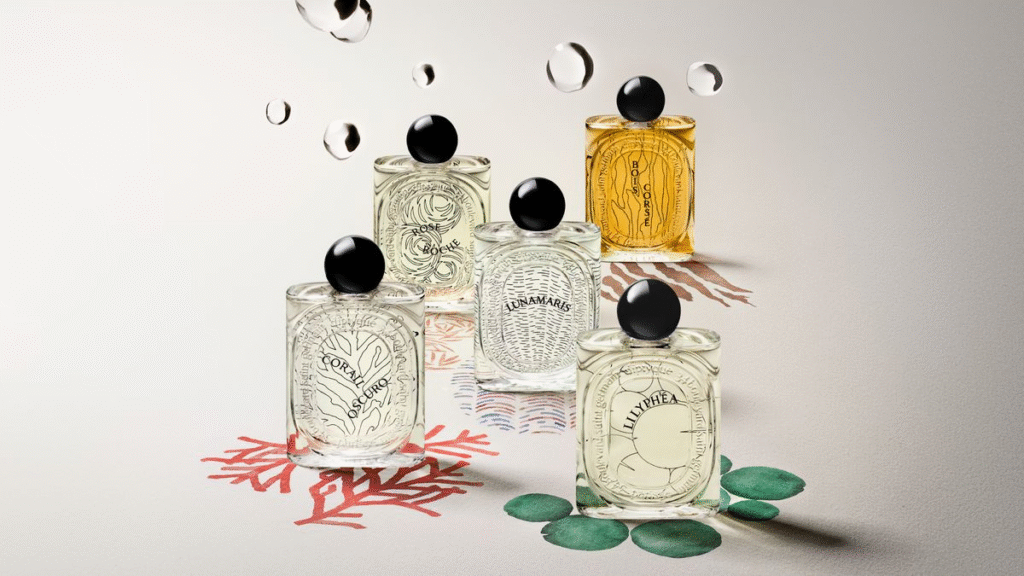
Few events have reshaped perfume trends as dramatically as the COVID-19 pandemic. Lockdowns, social distancing, and remote work fundamentally changed how—and why—people wore fragrance.
With fewer social interactions, consumers gravitated toward scents that felt comforting rather than performative. Clean musks, soft woods, and subtle florals surged in popularity. These “skin scents” were designed to be experienced up close, offering reassurance rather than projection.
There was also renewed interest in personal rituals. Applying perfume became a form of self-care rather than social signaling. Brands responded by emphasizing emotional storytelling, wellness, and intimacy.
The pandemic also accelerated interest in sustainability, transparency, and ethical sourcing—trends that continue to shape perfumery today.
Ongoing Global Challenges: Sustainability and Conscious Consumption
In the face of climate change, political instability, and economic uncertainty, modern perfume trends increasingly reflect values rather than status.
Consumers now ask questions about ingredient sourcing, environmental impact, and authenticity. This has led to a rise in minimalist compositions, refillable packaging, and fragrances that emphasize quality over quantity.
There is also growing appreciation for historical materials such as frankincense, myrrh, and oud—ingredients that connect modern wearers to ancient traditions and a sense of continuity.
Why Perfume Continues to Reflect the World
Perfume endures because it adapts. It absorbs fear, hope, rebellion, and renewal, translating them into scent. Each era leaves behind an olfactory fingerprint—one that future generations can still smell, reinterpret, and understand.
When the world feels loud, perfume becomes quiet. When life feels restricted, fragrance becomes expressive. In this way, perfume is not just shaped by world events—it helps people navigate them.
Final Thoughts
The history of perfume is inseparable from the history of humanity. Wars forced innovation. Economic booms encouraged indulgence. Social movements redefined identity. Pandemics turned scent inward.
Understanding how world events shape perfume trends allows us to appreciate fragrance not merely as a luxury, but as a living cultural artifact. Every bottle tells a story—not just of notes and ingredients, but of the time in which it was created.
And as the world continues to change, so too will the scents we choose to wear—quietly recording our collective experience, one molecule at a time.