When it comes to the art of perfumery, France and Italy stand as two of the world’s greatest cultural powerhouses — each shaping the global fragrance industry in profoundly different ways. French perfumery is often synonymous with sophistication, restraint, and haute couture refinement, while Italian perfumery embodies sensuality, sunshine, and effortless elegance. Both are deeply artistic, but they approach scent from opposite sides of the emotional spectrum.
Let’s explore the philosophies, histories, and defining characteristics that distinguish French vs. Italian perfume craftsmanship — and how each country continues to shape the way we experience scent today.
The French Approach: Perfumery as Haute Couture
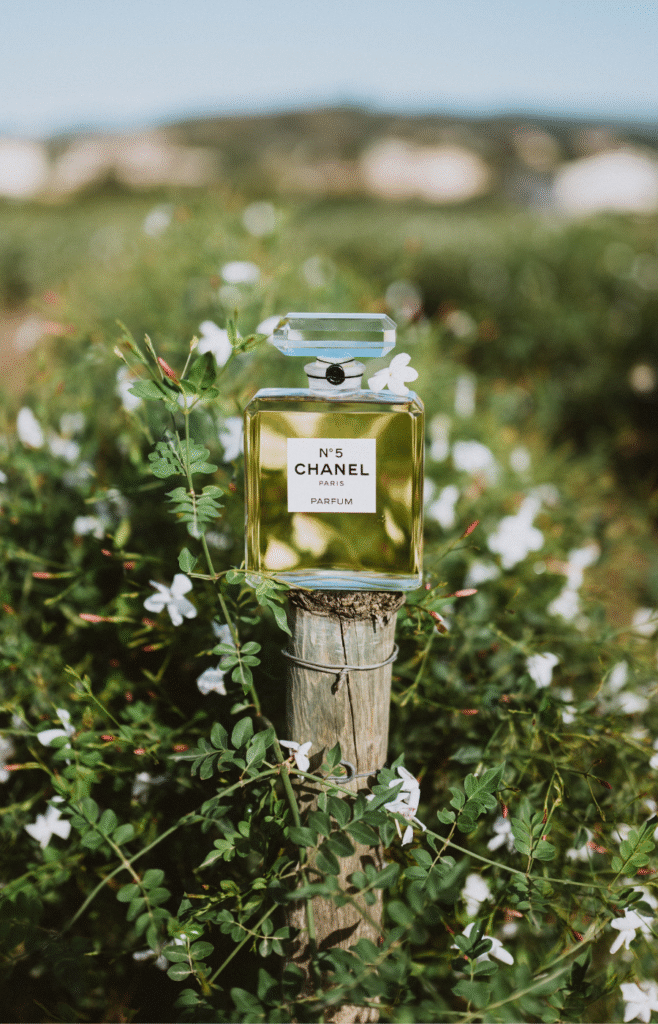
France has long been the beating heart of modern perfumery. From Grasse, the perfume capital of the world, to the iconic fashion houses of Paris, French perfumery evolved as a reflection of sophistication, artistry, and heritage.
A Heritage of Craft and Composition
The French approach to perfume is rooted in structure and composition. Classic French perfumers treat fragrance like a symphony — top, heart, and base notes working in harmony to create an elegant, seamless evolution on the skin. This balance reflects the country’s obsession with precision and artistry.
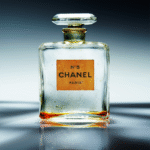
The foundations of this philosophy were established by perfumers such as Ernest Beaux, who created Chanel No. 5 in 1921 — a revolutionary blend that introduced synthetic aldehydes, giving perfume a modern, abstract quality. This innovation defined the “French school” of perfumery: sophisticated, balanced, and conceptually artistic.
Emotion Through Restraint
French perfumes tend to communicate emotion through subtlety rather than intensity. They focus on elegance — the kind that lingers gracefully instead of announcing itself loudly.
Classic examples include:
- Chanel No. 5 – refined and timeless.
- Dior J’adore – radiant yet balanced.
- Guerlain Shalimar – sensual, but with exquisite restraint.
French perfumery often values chic understatement — perfumes that whisper luxury rather than shout it. It’s a reflection of French culture itself: composed, intellectual, and endlessly refined.
The French Moodboard: Powder, Florals, and Classicism
Signature elements of French perfumery often include iris, rose, violet, jasmine, and aldehydes, blended with musks, amber, or vanilla to create soft sophistication. The result? Perfumes that feel timeless — think powdery, velvety, and harmonious.
The Italian Approach: Perfumery as Lifestyle and Emotion
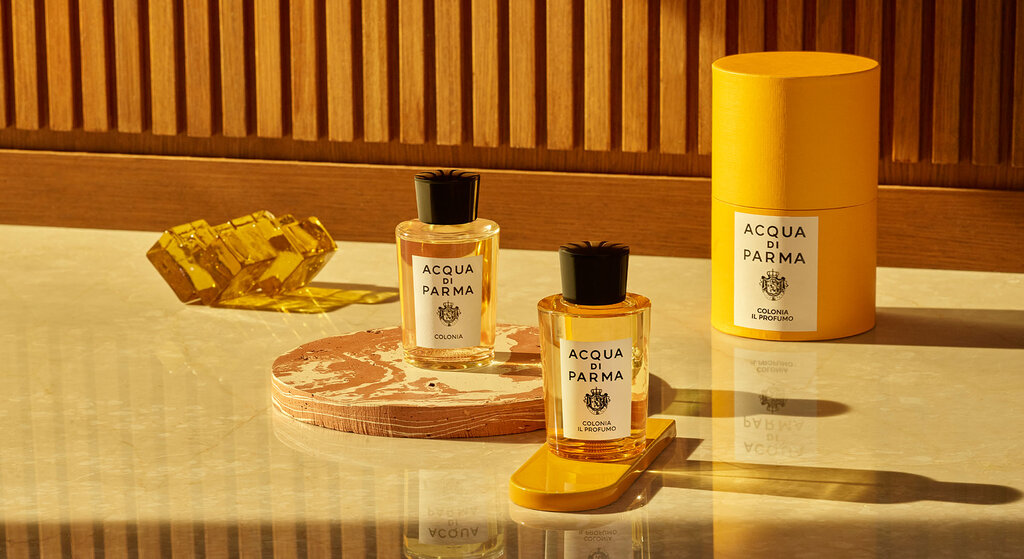
If French perfumery is about discipline and elegance, Italian perfumery is about life, light, and personality. The Italian perfume philosophy celebrates emotion, individuality, and sensual warmth — translating the country’s sunny landscapes and passionate spirit into scent.
Artisanal Roots and Natural Beauty
Italy’s perfumery tradition draws from craftsmanship and regional diversity. Unlike France’s centralized approach, Italian perfume culture developed across cities: the citrus groves of Sicily, the florals of Tuscany, and the sophisticated ateliers of Florence and Milan.
Italian perfumers embrace natural ingredients and raw authenticity. Where the French lean toward polished structure, Italians favor spontaneity and character — perfumes that evolve unpredictably, like human emotions.
Vibrant Expression and Joy
An Italian fragrance often feels alive — luminous, effervescent, and tactile. The emphasis is on radiance and wearability, capturing moments of daily life: the warmth of sun on skin, espresso mornings, the sea breeze, the smell of citrus orchards.
Think of:
- Acqua di Parma Colonia – crisp, timeless citrus elegance.
- Dolce & Gabbana Light Blue – carefree Mediterranean sensuality.
- Santa Maria Novella Melograno – antique yet vivid, steeped in history.
Italian perfumery is less about perfection and more about emotional resonance. It’s spontaneous, expressive, and unapologetically human.
The Italian Palette: Citrus, Herbs, and Warm Woods
Italian scents often begin with bright top notes — lemon, bergamot, neroli, and orange blossom — reflecting the country’s sunlit climate. These are grounded in sensual bases of musk, leather, or amber, creating balance between lightness and depth.
The effect is energetic yet comforting, casual yet undeniably luxurious — a scent philosophy that mirrors the Italian lifestyle itself: effortless and sensual.
Aesthetic Differences: Chic vs. Charismatic
| Aspect | French Perfume | Italian Perfume |
|---|---|---|
| Philosophy | Elegance through structure and restraint | Emotion through spontaneity and warmth |
| Mood | Refined, timeless, and intellectual | Expressive, passionate, and luminous |
| Signature Notes | Iris, rose, aldehydes, musk, amber | Bergamot, neroli, citrus, herbs, leather |
| Inspiration | Haute couture, artistry, Parisian chic | Mediterranean lifestyle, sunlight, and emotion |
| Texture | Powdery, velvety, polished | Bright, sensual, tactile |
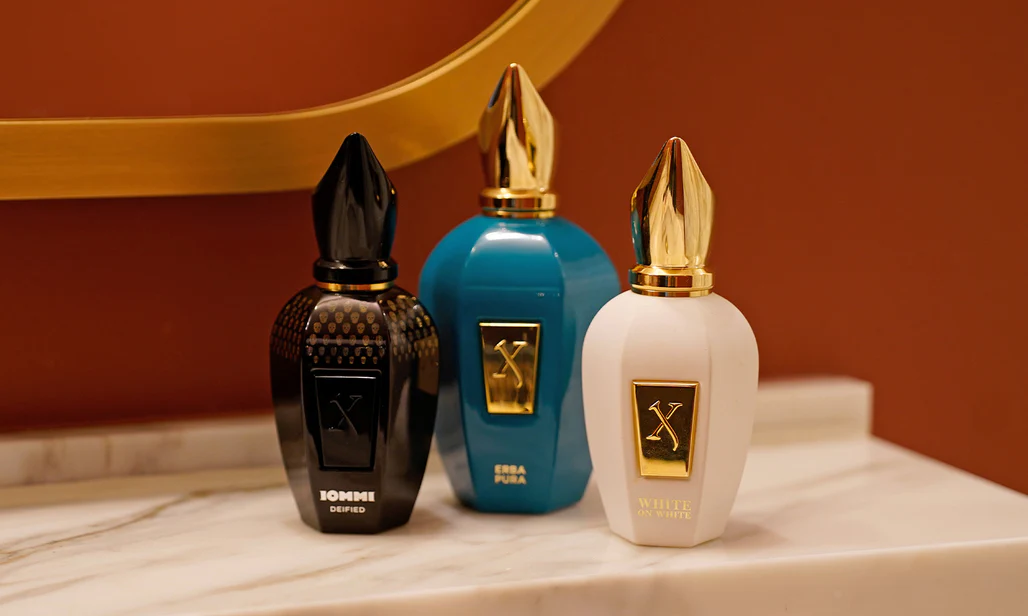
| Example Houses | Chanel, Guerlain, Dior, Frédéric Malle | Acqua di Parma, Xerjoff, Santa Maria Novella, Profumum Roma |
Cultural Influence: Perfume as Personality
French and Italian perfumery don’t just differ in scent — they reflect cultural identity.
- French perfumes are about style as statement. Like haute couture, they represent controlled artistry — a deliberate construction of beauty. Wearing a French perfume is akin to wearing a tailored suit or a silk scarf: elegant, intellectual, and complete.
- Italian perfumes, on the other hand, are about emotion as experience. They embrace imperfection, warmth, and vitality. They’re the olfactory equivalent of linen shirts, espresso mornings, and golden-hour drives along the coast.
Where French perfumery is architectural, Italian perfumery is cinematic. One sketches, the other sings.
Modern Interpretations: When Borders Blur
Today’s global perfume scene shows how these philosophies are beginning to intertwine. Modern French brands are experimenting with emotional storytelling, while Italian houses are embracing refinement and complexity.
For instance:
- Maison Francis Kurkdjian’s Aqua Universalis channels Italian freshness through a French lens — pure, bright, and radiant.
- Acqua di Parma Colonia Oud introduces French-style layering and depth to Italian vibrance.
- BDK Parfums, Parfum de Marly, and Diptyque blur national borders with global inspirations.
This fusion represents the future of perfumery — where philosophy meets feeling, and craft meets creativity.
Choosing Between French and Italian Perfume Styles
When deciding whether a French or Italian perfume suits you best, think of personality and mood.
- Choose French perfumes if you love refinement, powdery elegance, and an aura of quiet sophistication. These are ideal for formal occasions, evening wear, and anyone drawn to timeless classics.
- Choose Italian perfumes if you crave warmth, citrus brightness, and a more spontaneous charm. These are perfect for daytime wear, travel, or when you want to feel radiant and relaxed.
Ultimately, the best choice lies not in nationality, but in how the fragrance makes you feel — whether it transports you to the romance of Parisian streets or the sun-drenched coastlines of Amalfi.
Final Thoughts: Two Languages, One Art
French and Italian perfumery are like two dialects of the same language — one spoken with elegance, the other with emotion. The French school values craftsmanship and restraint; the Italian celebrates warmth and life. Together, they form the twin pillars of modern fragrance artistry.
A French perfume may make you feel composed, polished, and poised — while an Italian one makes you feel alive, luminous, and free.
In the end, great perfumery transcends borders. Whether you find yourself drawn to Chanel’s powdered sophistication or Acqua di Parma’s sunny brightness, the true essence of both lies in the same belief: that scent is not just something we wear — it’s something we live.