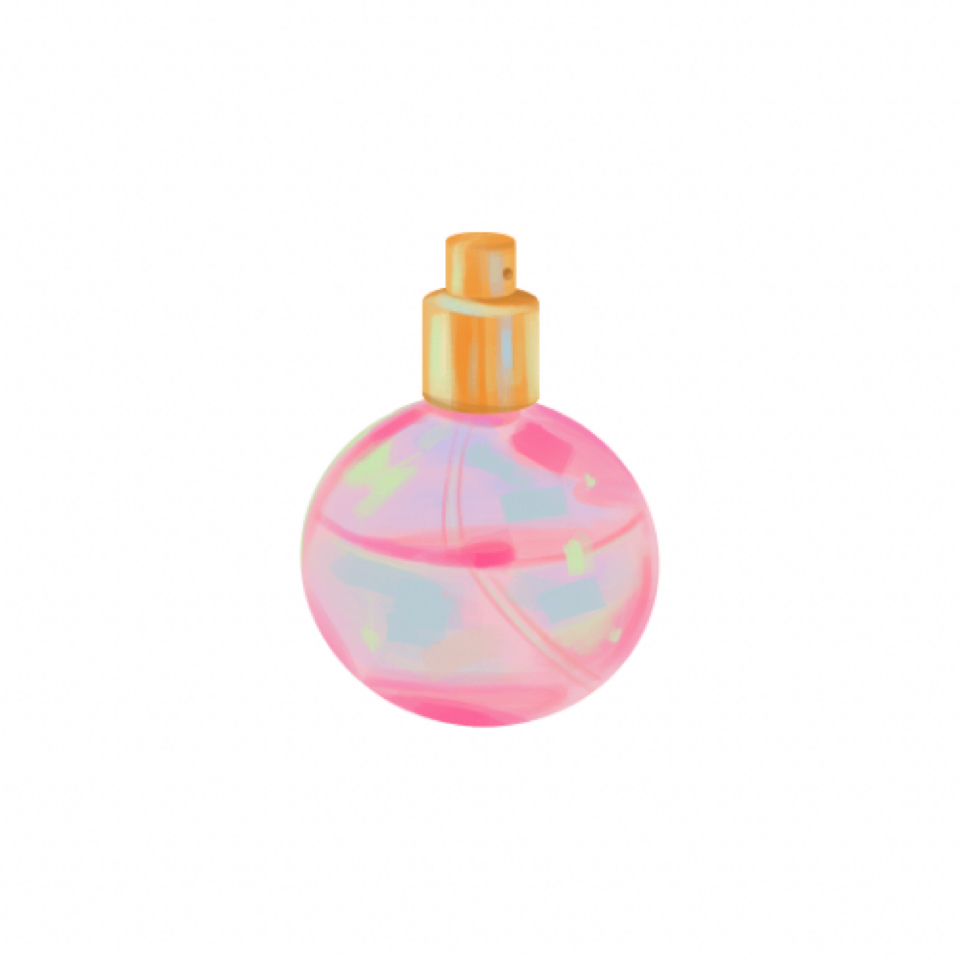
In the world of fragrance, South Korea has quietly — yet powerfully — carved out its own niche. Once known primarily for skincare innovations and K-beauty color cosmetics, Korea’s fragrance scene is now blossoming with brands that embody subtlety, sophistication, and a distinctly minimalist aesthetic. Korean perfume brands don’t shout; they whisper. They focus on purity of scent, sleek packaging, and emotional storytelling — creating olfactory experiences that are intimate, elegant, and deeply personal.
As consumers around the world turn toward understated luxury and authenticity, Korean perfumes are emerging as a refreshing alternative to Western perfumery’s sometimes loud and indulgent tones. Let’s explore the rising world of Korean perfume houses, their design philosophies, and why their minimalist aesthetic resonates so deeply with modern fragrance lovers.
The Rise of Korean Perfumery: A New Chapter in K-Beauty

K-beauty first revolutionized global skincare with sheet masks, glass skin routines, and science-backed formulations. But fragrance took a little longer to bloom. Historically, Koreans leaned toward lighter, cleaner scents — floral, citrus, or powdery — influenced by cultural preferences for subtlety and self-restraint. Perfume was less about making a statement and more about enhancing one’s presence quietly.
Over the last decade, however, a new generation of Korean perfumers and indie fragrance houses began to reimagine scent as an extension of lifestyle and mood. They took cues from minimalism in architecture, design, and fashion — merging aesthetic restraint with emotional depth. The result? Fragrances that feel like wearing a memory or a fleeting emotion, rather than an overpowering signature.
This subtle approach mirrors broader Korean aesthetics, where beauty is found in balance and calm — the “less is more” philosophy that defines much of modern Seoul design culture.
The Minimalist DNA of Korean Perfumes
To understand Korean perfume is to understand its quiet artistry. These scents are rarely loud or overly complex; instead, they evoke purity and clarity. The minimalist aesthetic manifests in three ways — design, composition, and storytelling.
1. Design:
Korean perfume packaging is often understated — clean lines, neutral tones, and frosted glass bottles dominate the visual language. Think of it as the olfactory equivalent of minimalist interior design. Brands like Tamburins and Nonfiction favor modern, almost architectural forms that look like objets d’art rather than traditional perfume bottles. There’s an emphasis on tactility — the weight of a cap, the matte texture of a label, or the satisfying click of a magnetic closure. Every detail is intentional.
2. Composition:
The scents themselves mirror this visual simplicity. Rather than heavy accords or syrupy notes, Korean fragrances lean toward airy florals, musks, and natural woods. They often feature familiar notes — green tea, fig, vetiver, white musk — blended in a way that feels transparent and personal. The goal isn’t to announce your presence from across the room but to create a gentle aura that feels like an extension of your skin.
3. Storytelling:
Each brand has its own narrative, often rooted in mood, memory, or emotion rather than luxury or status. Korean perfumers love to evoke a specific atmosphere — the smell of morning dew, a quiet bookshop, or linen sheets drying in spring sunlight. The storytelling feels poetic, intimate, and sensory, aligning perfectly with the country’s artistic sensibility.
The Most Beloved Korean Perfume Brands
Let’s take a closer look at some of the most influential names shaping Korea’s fragrance movement.
Tamburins: Art Meets Fragrance
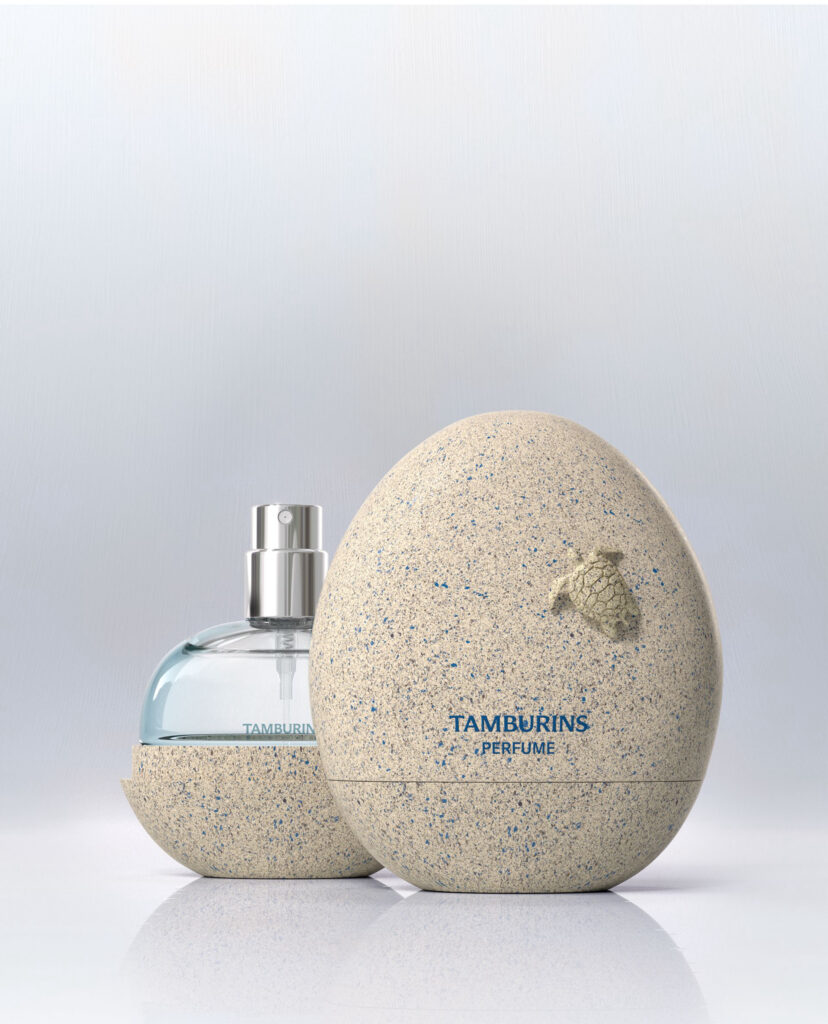
No discussion of Korean perfume is complete without mentioning Tamburins, arguably the brand that put Korean perfumery on the global map. Created by the founders of the fashion label Gentle Monster, Tamburins is known for its sculptural packaging and avant-garde branding. Each product — from perfume to hand cream — looks like a museum piece.
But Tamburins isn’t just about aesthetics. Its scents are sophisticated and modern, often playing with contrasts. Bestsellers like 000 (Triple Zero) blend floral and woody notes with a creamy base of sandalwood and musk, while Les Fleurs captures a delicate yet vibrant floral bouquet that feels simultaneously nostalgic and fresh.
Tamburins’ stores are experiential spaces, often designed like immersive art installations — reflecting how deeply the brand ties scent to sensory design and emotional expression.
Nonfiction: Honest, Clean, and Emotional

Nonfiction embodies the quiet power of Korean minimalism. The brand’s name reflects its philosophy: to create scents grounded in authenticity and self-reflection. Founded in 2019, Nonfiction has become a lifestyle staple in Seoul’s trendy neighborhoods, from Hannam to Garosu-gil.
The fragrances — such as Santal Cream, Gentle Night, and Gaiac Flower — are warm, musky, and introspective. They tell stories of daily rituals and emotional states rather than grand adventures. Each scent feels like a small act of self-care, worn for your own comfort rather than others’ admiration.
The packaging echoes this ethos — matte bottles, simple typography, and muted tones that exude calm sophistication. Nonfiction captures the essence of the modern Seoulite: thoughtful, stylish, and quietly confident.
Granhand: The Artisan Touch
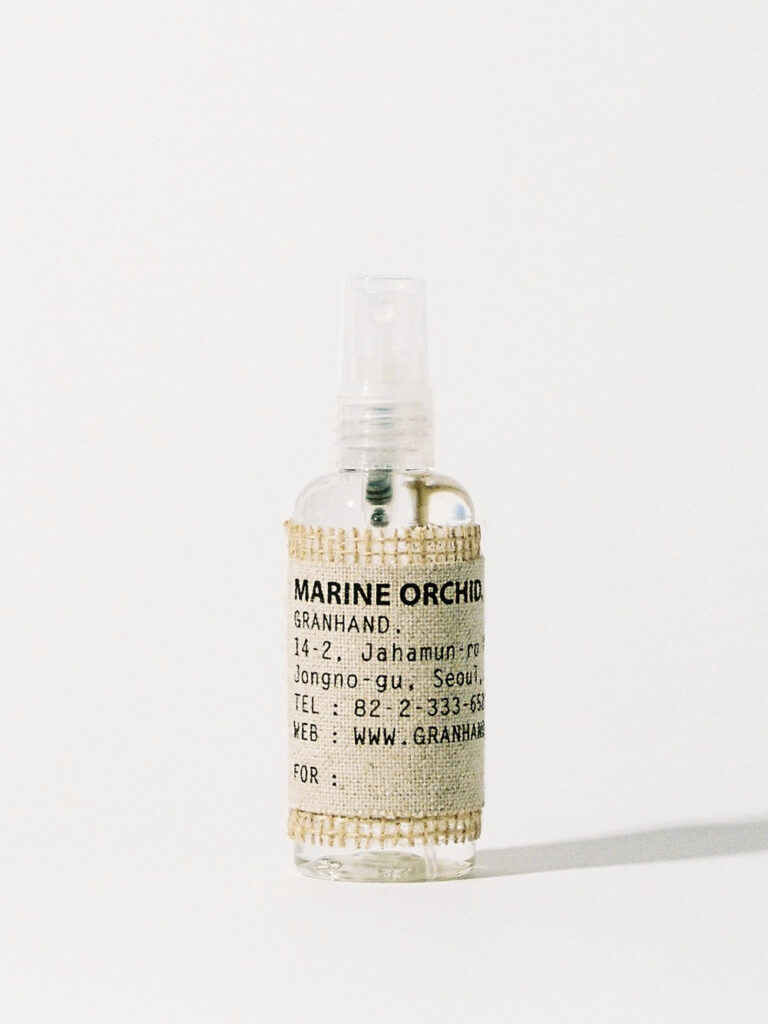
Founded in 2014, Granhand is often described as the “artisan perfumery” of Korea. Each bottle is handcrafted, and every label is handwritten — giving it a personal, human touch. Granhand’s philosophy centers on individuality and sincerity, creating fragrances that blend traditional perfumery techniques with Korean sensibilities.
Popular scents like Marine Orchid and Rue Charlot combine natural freshness with warm undertones, resulting in perfumes that feel both familiar and deeply unique. Their stores are minimalist havens filled with wooden shelves, paper labels, and soft lighting — more like an atelier than a retail space.
Granhand’s approach resonates with those who appreciate slow living and craftsmanship — a refreshing contrast to mass-produced luxury.
W.Dressroom: Everyday Simplicity
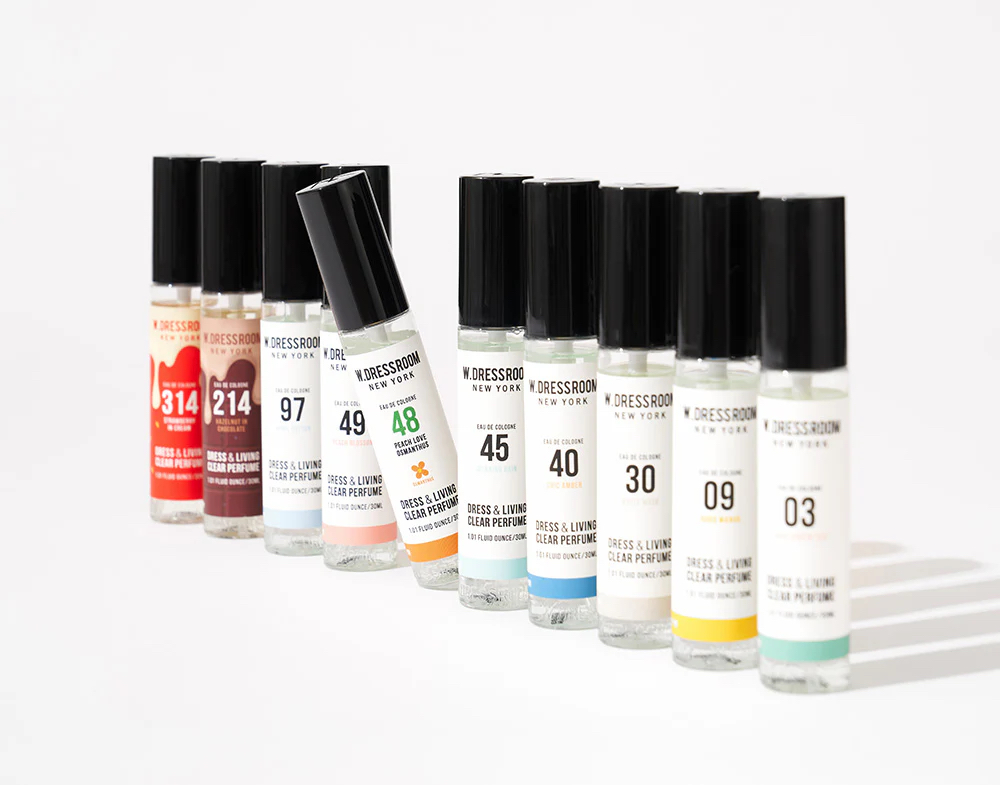
For those who prefer something light, clean, and versatile, W.Dressroom offers everyday scents that perfectly encapsulate the Korean love for freshness. The brand gained global fame after BTS’s Jungkook revealed his favorite scent — No.97 April Cotton, a clean-laundry fragrance that evokes crisp white sheets and sunshine.
While W.Dressroom may not be a niche perfumery in the traditional sense, its approach to scent fits the minimalist aesthetic perfectly: uncomplicated, comforting, and effortlessly wearable. It’s fragrance as an extension of daily routine — a spritz of calm before stepping out the door.
Aromatica: The Wellness Fragrance Brand

Bridging aromatherapy and perfumery, Aromatica creates scents that nurture both body and mind. Rooted in clean beauty and sustainability, the brand uses natural essential oils to craft products that balance wellness and sophistication. Their minimalist packaging — often in recycled glass bottles — complements their eco-conscious ethos.
Scents like Rosemary & Lavender or Cypress Deep Cleansing are designed to evoke emotional balance and mindfulness. Aromatica’s world feels less like luxury perfume and more like a ritual of calm — perfectly in tune with the global shift toward holistic well-being.
Why the Minimalist Aesthetic Resonates
The global fascination with Korean perfume’s minimalist aesthetic reflects a broader cultural moment. In a world saturated with excess — from influencer marketing to overcomplicated beauty routines — minimalism feels like a breath of fresh air. Korean perfume brands tap into this longing for simplicity, authenticity, and calm.
Their aesthetic aligns with other minimalist movements in design and lifestyle — from Muji to Scandinavian interiors — yet remains uniquely Korean through its emotional nuance. Where Western minimalism often feels stark or utilitarian, Korean minimalism carries warmth, softness, and intimacy.
It’s not just about “less.” It’s about meaningful less — a curated simplicity that highlights emotion, presence, and connection.
The Scent of Modern Seoul
If you walk through Seoul’s trendiest neighborhoods — Hannam-dong, Seongsu, or Apgujeong — you’ll notice how seamlessly fragrance fits into the city’s creative rhythm. Boutiques like Tamburins and Nonfiction sit alongside minimalist cafes, curated art galleries, and design studios. The entire lifestyle ecosystem is built around sensory balance — quiet luxury, not conspicuous consumption.
In these spaces, fragrance becomes an extension of self-expression, not a symbol of status. Young Koreans are particularly drawn to the idea of wearing scent for personal pleasure — a mood enhancer rather than a social signal.
This mindset represents a generational shift: perfume as wellness, identity, and art — rather than mere adornment.
The Global Future of Korean Perfume
As Korean perfume brands gain traction internationally, they are redefining what luxury means in the modern fragrance landscape. Instead of focusing on celebrity endorsements or flashy marketing, these brands rely on design integrity, craftsmanship, and emotional resonance.
Retailers in Paris, New York, and Singapore are beginning to stock Tamburins and Nonfiction alongside established Western houses — proof that the appeal of Korean minimalism transcends cultural boundaries. Their clean aesthetics, gender-neutral scents, and thoughtful storytelling speak to a generation seeking authenticity over extravagance.
And as sustainability becomes increasingly central to consumer choices, Korean brands’ eco-conscious values — from recyclable packaging to natural ingredients — position them as leaders in the new wave of mindful luxury.
How to Choose Your First Korean Perfume
For those new to Korean fragrances, start with what mood you want to evoke rather than what notes you usually gravitate toward. If you love soft, skin-like musks and creamy woods, Nonfiction’s Santal Cream or Tamburins’ 000 will feel effortlessly wearable. If you prefer something fresh and airy, try W.Dressroom April Cotton for that just-laundered comfort.
Want something artisanal and emotional? Granhand offers personalized recommendations in-store, making it a beautiful introduction to the intimacy of Korean perfumery.
Remember — Korean perfume is about quiet expression. It’s a scent you wear for yourself, not for others to notice.
Final Thoughts
Korean perfume brands embody the future of fragrance: intentional, minimalist, and deeply human. They strip away excess to reveal essence — both in scent and design. Their aesthetic celebrates restraint, not emptiness; clarity, not plainness. And in doing so, they invite us to slow down, breathe deeply, and reconnect with the quiet poetry of everyday life.
From the sleek bottles of Tamburins to the gentle musks of Nonfiction and the handcrafted sincerity of Granhand, Korean perfumery offers more than beautiful scents — it offers perspective. A reminder that true luxury lies not in opulence, but in balance.
As the world continues to fall in love with K-beauty’s next chapter, one thing is certain: the minimalist charm of Korean perfumes is here to stay, proving that sometimes, the softest scents leave the most lasting impressions.


2 Comments