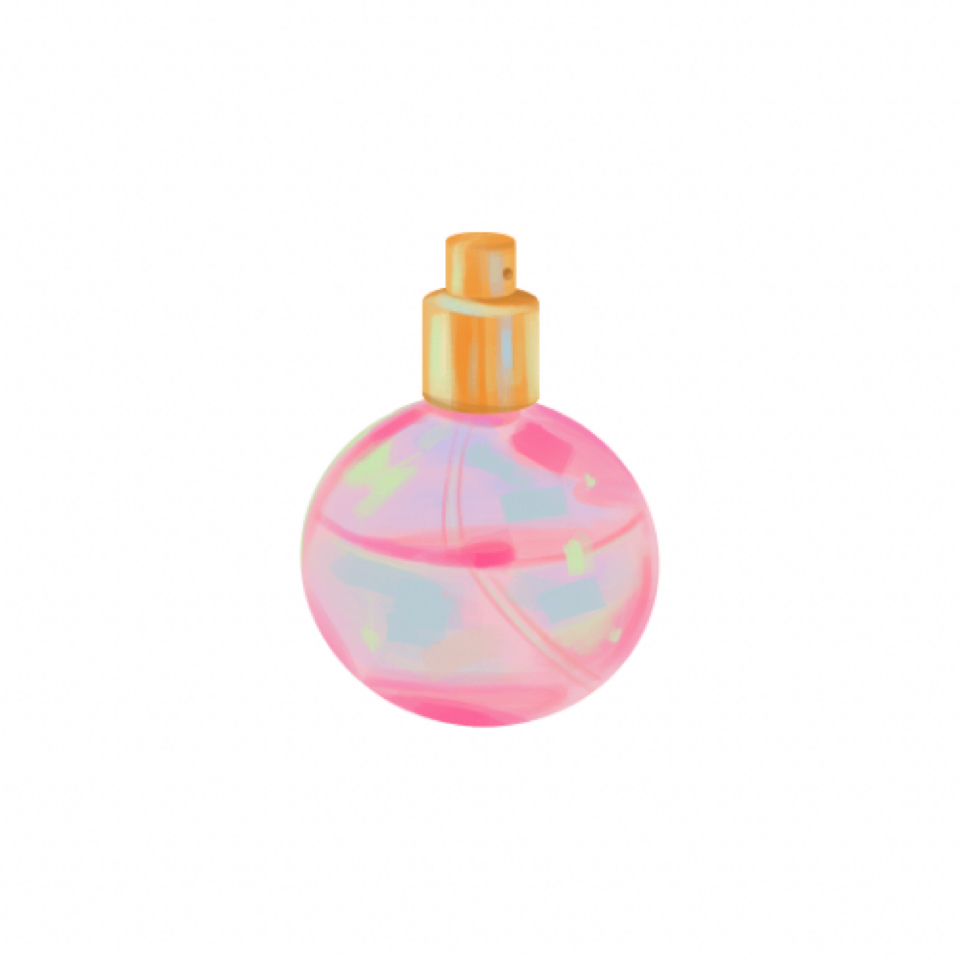
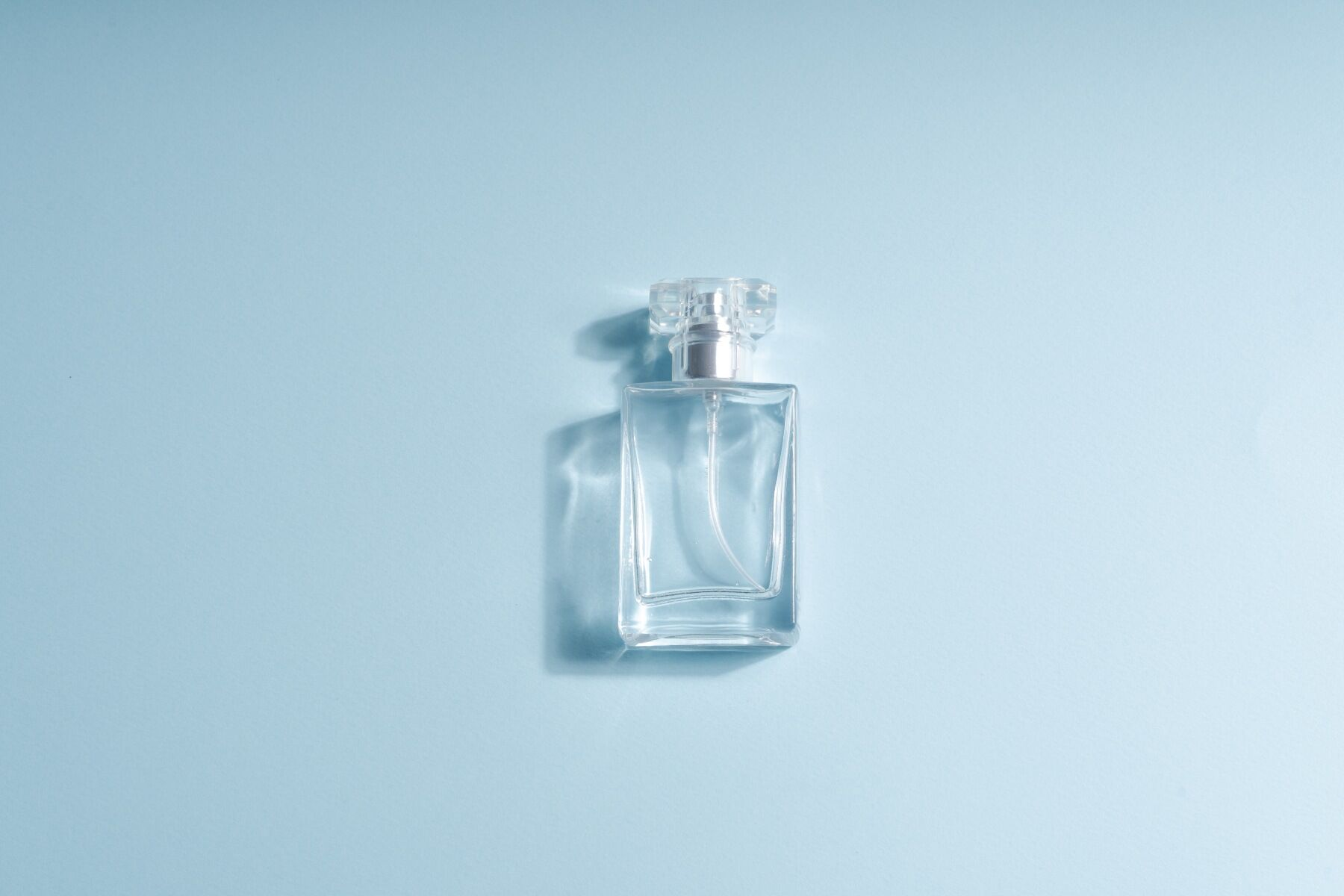
In a world overflowing with information, color, and noise, it’s no surprise that our noses, too, are craving calm. The rise of scent minimalism — clean, understated fragrances that smell like skin, soap, or sunlight — mirrors a broader cultural shift toward simplicity and quiet luxury. These are not perfumes that shout; they hum softly, inviting closeness rather than commanding attention. And while they may seem modern, their emotional roots go far deeper — into our psychology, our desire for authenticity, and our search for peace in a chaotic world.
The Quiet Power of Subtlety
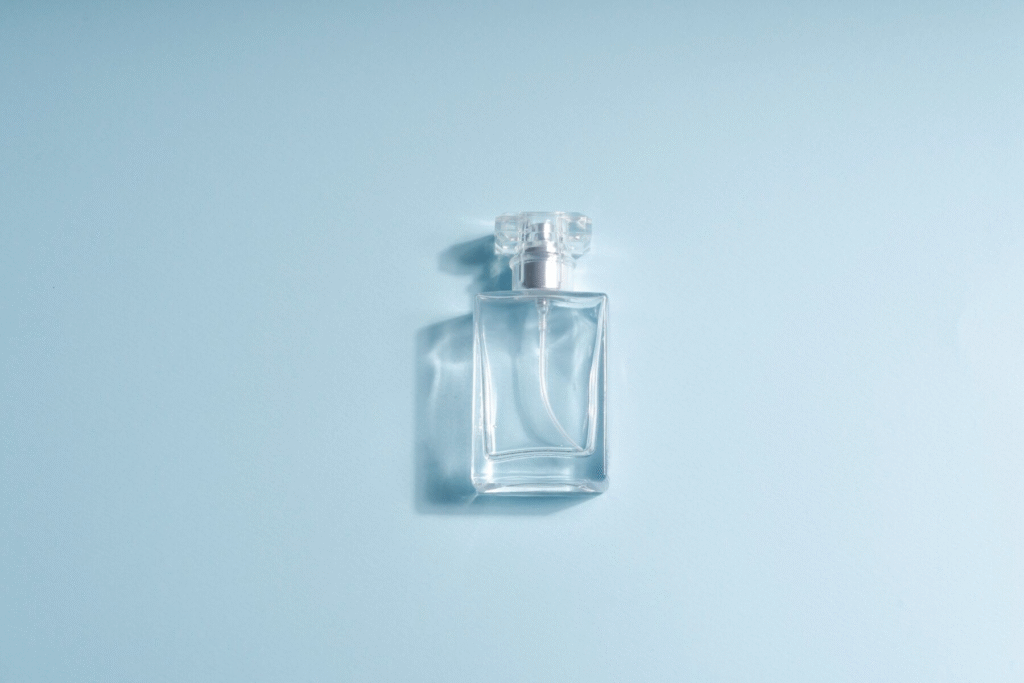
Minimalist fragrances are often described as “invisible” — not because they lack character, but because they speak in whispers. Built around soft musks, airy woods, and translucent florals, these perfumes feel like freshly washed skin or cotton warmed by the sun. They exist in contrast to the heady orientals and syrupy gourmands that dominated earlier decades.
Psychologically, subtlety signals control and confidence. Just as someone who dresses in neutral tones exudes effortless poise, a clean, quiet fragrance suggests refinement — a sense that one doesn’t need to perform to be noticed. It’s the olfactory equivalent of emotional composure.
Scent minimalism allows room for personality to breathe. Instead of masking the wearer, it amplifies their natural scent, creating an aura that feels real. And in an age where digital filters blur identity, this quiet honesty feels revolutionary.
A Modern Response to Sensory Overload

We live in an overstimulated world — constant notifications, neon branding, algorithmic noise. Against that backdrop, minimalist scents function as a form of olfactory mindfulness.
Subtle fragrances like Glossier You, Le Labo Another 13, or Maison Francis Kurkdjian Aqua Universalis offer respite. They aren’t about transformation or fantasy; they’re about presence. You don’t disappear into them — you simply arrive.
Psychologically, clean and airy scents trigger feelings of calm and safety. Notes like white musk, ambrette, and iris evoke cleanliness and softness, tapping into primal associations of comfort and care. These are the smells of skin, of linens, of home. When life feels loud, these fragrances become an anchor — a way to return to oneself.
The Evolution from Excess to Essence
Perfumery has always reflected the mood of its time. The 1980s were about power and projection — bold orientals and aldehydic florals that filled rooms as symbols of confidence. The early 2000s brought fruity-floral optimism and celebrity scent fever. But as the world grew faster and louder, something shifted.
Today, we’re drawn to purity and restraint — not as deprivation, but as luxury. Minimalist scents align with the aesthetics of quiet wealth: fine tailoring, clean architecture, and emotional balance.
Modern perfumers have embraced this shift through transparency and texture, often using molecules like Iso E Super and Ambroxan — ingredients that blend seamlessly with skin chemistry. These “soft-focus” notes create presence without density, reflecting a new idea of sophistication: that the most memorable fragrances don’t need to shout to be powerful.
The Emotional Intelligence of Clean Scents
There’s a psychological term called “emotional regulation” — the ability to remain steady amid stimulation. Clean, minimal scents do something similar. They soothe. They center. They don’t overwhelm the senses, and in turn, they mirror an inner sense of clarity.
Subtle fragrances also evoke intimacy. They’re designed to be experienced at close range, shared only with those who come near. This makes them inherently emotional — they don’t just smell beautiful; they smell personal.
Wearing an understated scent can feel like an act of quiet rebellion — a decision to connect deeply rather than perform loudly. In that way, minimalist perfumery isn’t about absence at all. It’s about authentic presence.
Luxury as Restraint
The modern consumer associates luxury with discretion. Just as designer labels have shrunk or disappeared entirely from high-end fashion, fragrance is following the same path. The new luxury is privacy — knowing your perfume doesn’t announce itself before you do.
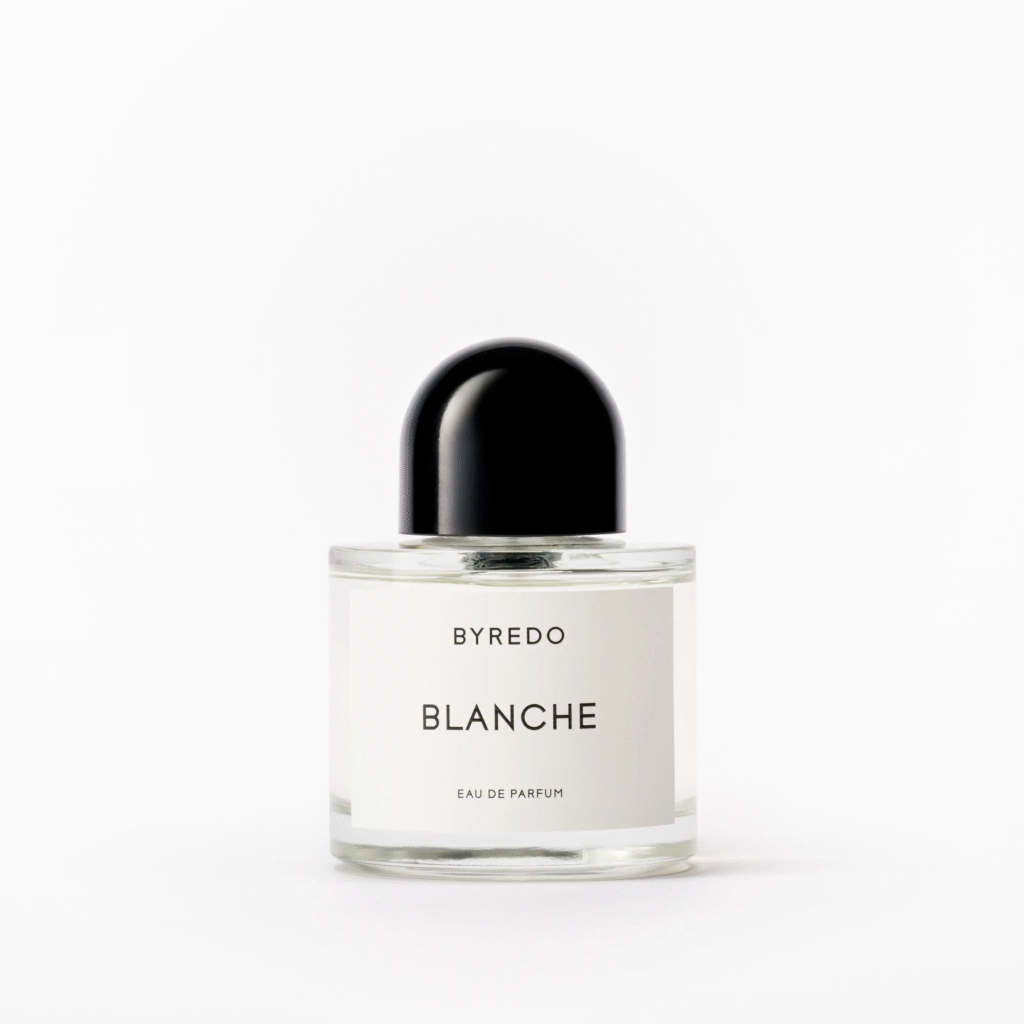
Brands like Byredo, Aesop, and Le Labo have mastered this art. Their creations are subtle yet complex, merging natural and synthetic notes to achieve balance — the feeling of something that isn’t perfumed, but polished.
Byredo Blanche, for instance, evokes freshly ironed cotton and white soap, while Aesop Hwyl smells like quiet forest air after rain. These perfumes reflect taste and restraint — a kind of invisible affluence that whispers rather than boasts.
The shift also reflects changing social norms. In shared environments like offices, cafes, and public transport, overly strong fragrances can feel intrusive. Subtle scents respect boundaries — they’re sophisticated not only in formulation but also in empathy.
Minimalism and Identity
There’s a profound intimacy in choosing to smell like yourself. Minimalist perfumes often blur gender, season, and even time — they exist outside of trend, speaking instead to identity.
When you wear a quiet scent, it fuses with your skin’s natural warmth and chemistry. Over hours, it becomes yours alone — a fragrance that can’t be replicated. That personal evolution is what makes scent minimalism so emotionally compelling.
In essence, minimalist perfumes become portraits of the self. They reveal rather than disguise. They say, “I’m here — quietly, but completely.”
From Skin to Soul: Why We Crave Purity
Minimalist perfumery resonates with a deeper human longing for purity and peace. As our external worlds grow complex, we seek simplicity in sensory experiences. The rise of “clean beauty,” neutral design, and minimalist living are all part of this emotional migration toward clarity.
The psychology behind this is rooted in comfort and safety. Subtle scents are associated with familiarity — they recall early experiences of warmth, softness, and nurturing. Clean, musky notes trigger calm because they remind us of skin — our first sensory connection to the world.
This is also why minimalist perfumes often feel deeply personal. They sit on the body like memory — intimate, nostalgic, almost subconscious. You don’t wear them to be remembered by everyone. You wear them to feel at home in yourself.
The Future of Fragrance: Less as More
As perfumery continues to evolve, the trend toward scent minimalism feels less like a passing fad and more like a philosophy of living. The future isn’t about the next viral perfume; it’s about the ones that feel timeless, grounded, and effortlessly human.
In an age of sensory saturation, invisible fragrances represent a kind of emotional detox. They let us reclaim scent as something personal and private — a quiet ritual that belongs only to us.
Perhaps this is why minimalism in perfume feels so luxurious. It isn’t about what’s added, but what’s left unsaid — the restraint, the texture, the stillness. These scents don’t just rest on the skin; they breathe with it.
Final Thoughts: The Beauty of Stillness
In the end, scent minimalism is more than an aesthetic. It’s a mirror of our collective desire for peace — for clarity amid chaos. To wear a subtle fragrance is to choose serenity over spectacle, to move through the world softly yet confidently.
It’s the art of presence without performance. The scent that doesn’t demand attention but rewards intimacy. The invisible veil that says, I don’t need to be noticed to exist.
Because sometimes, true beauty isn’t in what lingers loudly in the air — it’s in what stays quietly on your skin, known only to you.
Leave a Reply