As fragrance lovers, we’re always attuned to change—new notes, fresh launches, and shifts in consumer mood. For 2026, the landscape of perfumery is set to evolve in fascinating ways. From ingredient innovations to emotional storytelling, here’s a deep dive into the major perfume trends for 2026, what’s driving them, and how you can stay ahead of the scent curve.
1. The Rise of “Savory Gourmands” and Unexpected Edibles

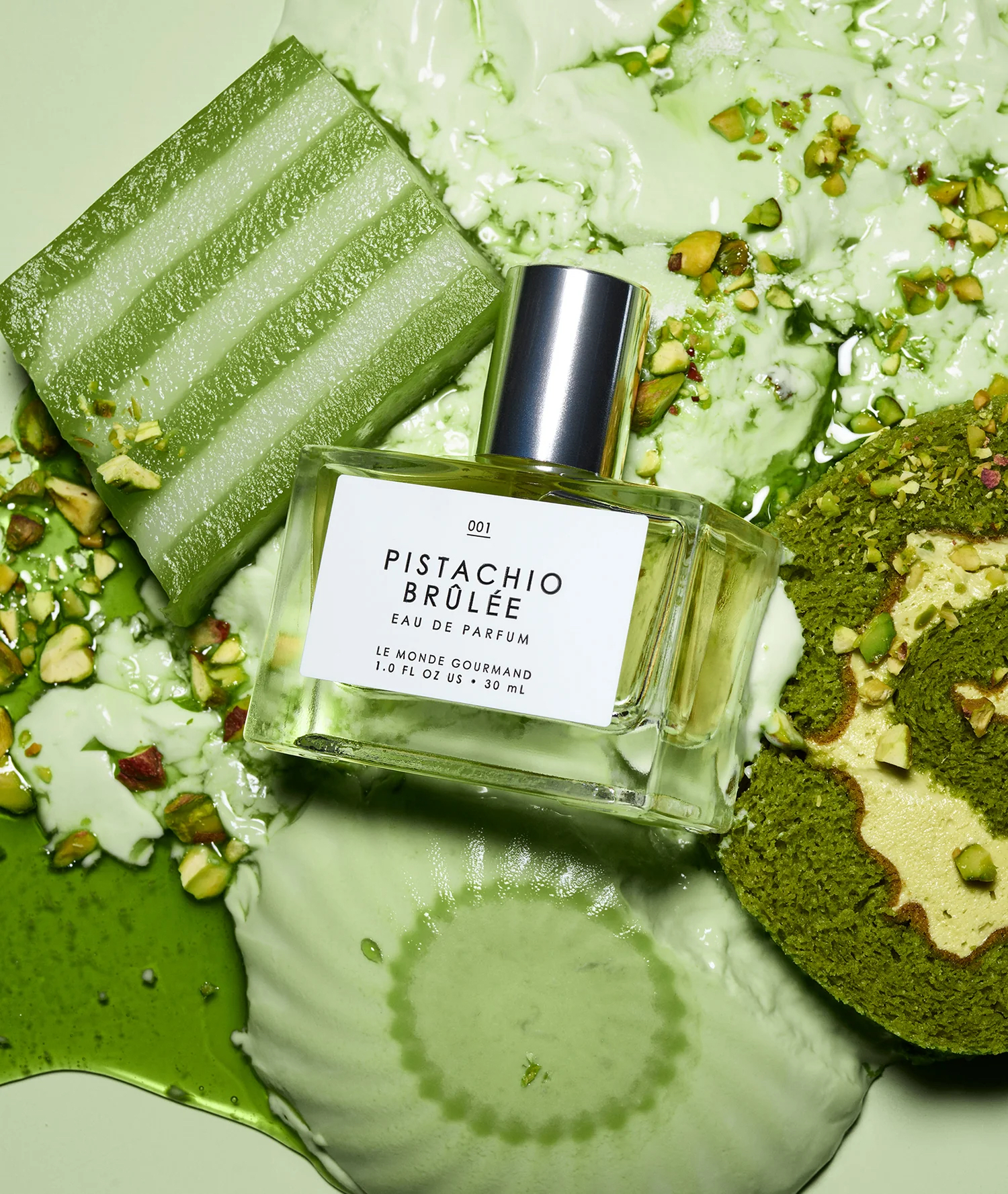
In recent years we’ve seen gourmand fragrances—vanilla, caramel, chocolate—dominate. But 2026 is about subtlety and surprise. The new gourmand category shifts away from obvious desserts and toward savory twists like roasted almond, soft pistachio, buttery croissant, or salted praline. One trend report describes it as “savory indulgence: not-so-sweet gourmands.”
What’s fueling this? On one level, it’s the influence of Gen Z and social media, where “#pistachioperfume” and “#foodiefragrance” have become real search trends. On another, as one source notes: “87 % of global consumers are now interested in perfumes that offer emotional or physical advantages.”
For the fragrance collector, this means expect new releases that smell edible but elegant, avoiding sticky sweetness in favour of refined gourmand cues.
2. Golden Peach, Radiant Citrus & Energetic Fruits

Warm, optimistic, sun-lit, the “golden peach” trend is set to bloom in 2026. According to fragrance forecasters, peach will re-emerge as a symbol of vitality and brightness, blended with ozonic and musky notes to elevate its glow.
Meanwhile, classic citrus remains relevant—but shifting toward richness and depth. Think citrus hearts with warm musks, rather than purely fresh top notes. These trends respond to consumer demand for scents that feel uplifting, rather than just refreshing.
For you, this means perfumes that aren’t simply “light summer citrus” anymore—they’ll carry warmth and back-bone, suitable for more than just the daytime.
3. Green Blossoms & Botanical Retreats

As life accelerates, there’s a growing desire for calm and “escape”. The trend of “green blossoms” marries floral and leafy notes—imagine jasmine or lily-of-the-valley softened with green tea, galbanum, or verdant foliage to create a scent of serenity.
It’s part of the wider wellness movement: fragrance as experience, not just decoration. Botanical compositions evoke nature, quiet luxury, and introspective mood. A different way to wear a “flower” perfume—less flamboyant, more meditative.
4. Sustainability, Transparency & Biotech Ingredients

The perfume industry’s future is also tied to how it responds to ecological and ethical pressures. By 2026, trends point strongly toward region-specific inputs, traceable sourcing, refillable packaging, and biotech alternatives that reduce environmental impact.
Natural and organic perfumes are already growing at a projected CAGR of around 8 % globally. Brands are encouraged to state their ingredient origin, show their supply chains, and align with consumer demand for “clean” and “green” luxury.
For fragrance lovers, this means more choices of perfumes that mind the planet—and good design, refill systems, and ingredient stories will matter almost as much as how they smell.
5. Niche Storytelling & Regional Anchoring

In 2026 the line between mainstream and niche fragrances will continue to blur—niche brands with strong storytelling, local sourcing and community building are gaining traction.
Fragrances that root themselves in specific places—microclimates, heritage floras, local landscapes—will resonate more deeply. That shift signals that consumers are not only buying a scent but a story. Perfumes that talk of region, craft and uniqueness will stand out in a crowded market.
6. Functional & Emotional Fragrance: Mood & Well-being

Fragrance is no longer simply about attraction—it’s about how you feel. Reports show that consumers are wanting perfumes that tie into emotional well-being, mood lifting, memory and personal ritual.
Whether it’s a calming green-wood scent used for relaxation, or a bright fruity-amber blend for energy, the idea of functional fragrance is gaining footfalls. In 2026, expect more marketing around “scent for serenity”, “energy boost”, or “mindful layering”.
7. Digital & Experiential Fragrance Retail
While not purely olfactory, how we buy perfume is shifting too—and it influences what trends succeed. Immersive online experiences, digital scent layering, subscription models, and scent customisation are becoming germane. Some academic signals even point to virtual worlds where fragrance is experienced in 3D.
As retailers invest in multi-sensory UX and storytelling, brands that adapt will lead. For consumers, it means expecting more than just a bottle on a shelf—an experience, a narrative, and a personal ritual.
What This Means for You as a Fragrance Lover
If you’re building your fragrance wardrobe for 2026, look beyond safe staples. Explore scents that feel strategic—aligned with mood, purpose and lifestyle.
Don’t ignore ingredient stories. Perfumes with traceable sourcing, refillable formats, and locale-specific identity will carry extra appeal.
Embrace layering. With trends like green-blossoms and savory gourmands, combining scents will help you customise.
Consider function. A fragrance isn’t just for “dress up”; choose ones you wear when you want clarity, comfort or energy.
Look beyond category. Gender lines, seasonal restrictions and rulebooks are loosening. The new trend is personal, flexible and unapologetically “you”.
Final Thoughts: The Scent of 2026
2026 is shaping up to be a year when perfumery becomes smarter, more personal and more meaningful. It’s not just about standing out—it’s about showing up. A perfume that matches mood, has integrity, and reflects your values is becoming the ultimate luxury.
In the end, the future of scent isn’t louder—it’s richer in nuance. And while we’ll continue to crave something memorable, we’ll also want something that means something. Because in a world that never stops moving, what we wear to smell like ourselves might matter more than ever.